The follow-up that never happens is the silent killer of small-business sales. It is not that owners don't intend to check back on the proposal from two weeks ago; it is that the intention lives in the same memory that is running the entire business. The follow-up gets dropped, the deal quietly expires, and the owner concludes the lead wasn't interested, when the more common truth is that nobody ever asked.
This article covers the automation that solves the forgetting, using EngageBay as the example CRM. It complements the pipeline walkthrough; that article covers the actions that move deals, and this one covers the system that makes sure they happen.
The two automations that matter
Small-business follow-up needs exactly two automations, and both are simple.
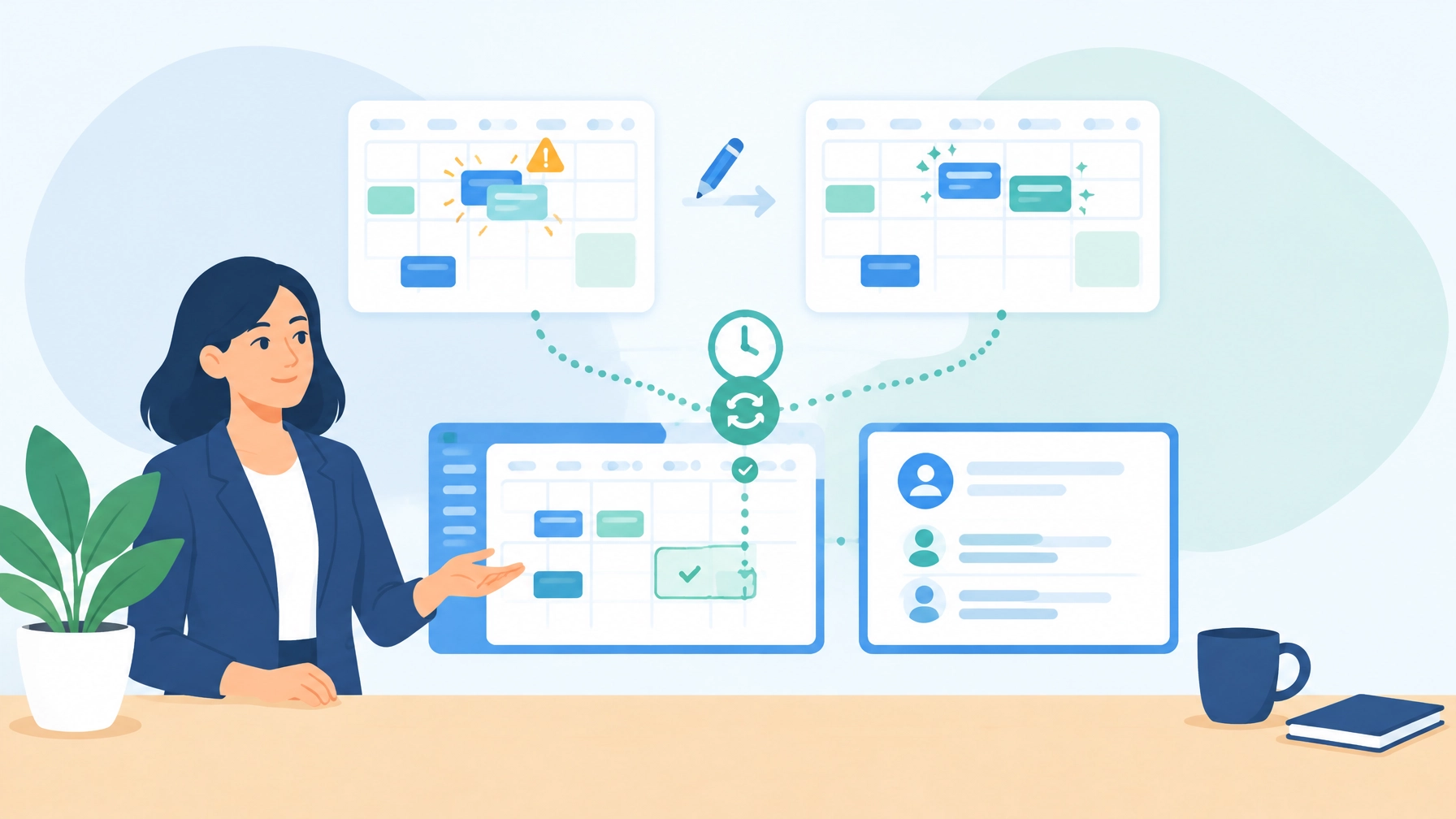
Automation one: the stalled-deal reminder. When a deal enters a pipeline stage, a task is automatically scheduled for a set number of days out, and if the deal has not moved when the task fires, the owner gets the reminder. This is the automation that replaces memory: the proposal sent on Monday produces a check-in task on Wednesday, whether or not the owner remembers Monday.
Automation two: the nurture sequence. Leads that are not ready today enter a periodic-value sequence: useful content, occasional relevance, and no pressure. This is the automation that replaces the awkward "just checking in" email, because the sequence gives the lead a reason to hear from you that isn't a request.
Both automations share a design principle: they automate the reminder and the routine, never the relationship. The stalled-deal task reminds a human to write a specific, personal check-in. The nurture sequence carries the lead between conversations. Neither pretends to be the conversation.
The frequency rules
The line between persistent and annoying is frequency, and it can be stated plainly.
For personal follow-ups on active deals: two or three touches on an unanswered proposal, spaced days apart, and then a graceful close, the same exit discipline we use in cold email sequences. The unanswered proposal gets a nudge at two days, another at a week, and then the polite close-the-loop message, because silence after three genuine attempts is an answer, and treating it as one is a form of professionalism.
For nurture sequences: roughly weekly at most, with content that would be worth reading if the recipient never bought anything. The test for any message in the sequence is the one from our outreach principles: does this message contain something new, or is it repetition wearing a reminder's clothes?
The combined effect of both rules: every contact hears from you at a frequency that respects their attention, and the lead prioritization framework decides who deserves the personal touches versus the sequence.
Building it in the CRM
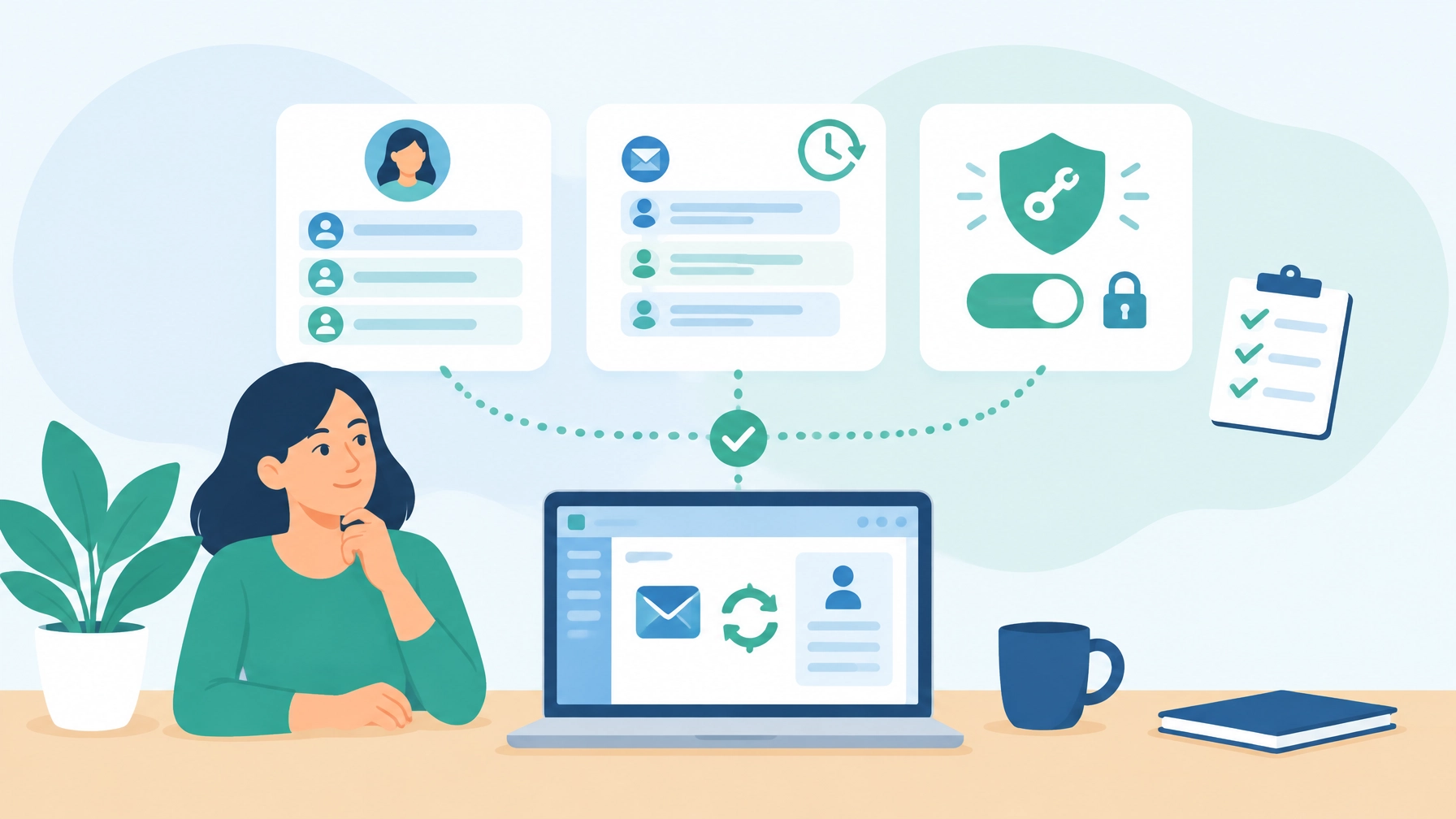
In EngageBay, the stalled-deal automation is a task rule attached to pipeline stages, and the nurture sequence is an email sequence attached to a tag. The mechanics are covered in our tags and automations guide for the parallel case; the principles are identical: the automation fires on an event, the event is a stage change or a tag, and the action is a task or a sequence, never an improvised message written by the system on your behalf.
The build order that works: set up the stalled-deal task first, because it produces immediate revenue, and add the nurture sequence second, because it requires content to exist. Test each with a real deal and a real tag, the same end-to-end discipline as any customer path test: the reminder should fire, the sequence should arrive, and both should be observable before a real lead depends on them.
What automation should never do
The boundary is worth drawing explicitly, because the tools can exceed it.
Automation should never write personal messages. The auto-responder that pretends the owner wrote it, the "personalized" sequence that addresses a proposal the system has never seen, erodes the trust that follow-up exists to build. The division of labor we draw for outreach tools applies identically here: the system remembers and reminds, and the human writes.
Automation should also never mask a dead lead. The sequence that runs for two years against a contact who has never opened a message is not persistence; it is list pollution, and it degrades the sender's reputation with every send, the same deliverability economics that govern cold infrastructure. Prune the sequence's non-openers on a schedule, and let the pipeline's closed stages record the honest end.
Questions to answer before you automate
Before building, write down: What is my follow-up rule for an unanswered proposal, in touches and days? What task belongs to each pipeline stage, and how many days out? What content exists for the nurture sequence, and would it be worth reading for its own sake? What is my pruning rule for contacts who never engage? Which messages will the system send, and which will it only remind me to write?
Five answers, and the automation has a boundary drawn before it is built. MBH Web Services configures exactly this pattern, task-plus-sequence with frequency rules, because it is the automation that pays for the CRM, but the design above is fully buildable by an owner in an afternoon. Set the stalled-deal task, write the two-touch proposal rule, point the nurture tag at a sequence, and let EngageBay remember what the business is too busy to hold.