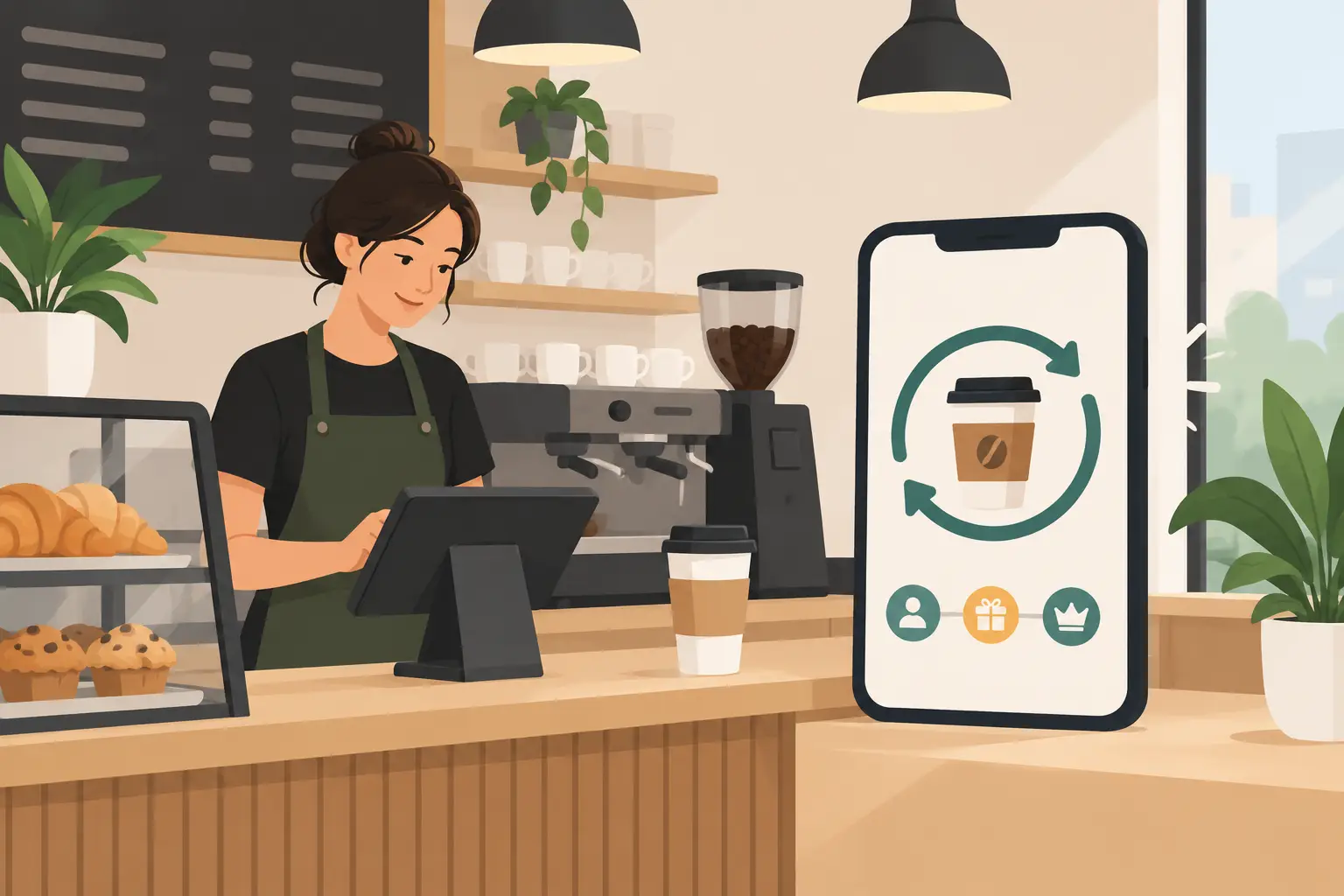
A loyalty program can lose value quickly when a barista has to explain it during the morning rush, a customer cannot find their reward, or the offer costs more than the repeat visits it creates. Knowing how to set up BoomerangMe for a coffee shop means designing a program that works at the counter first, then supporting it with clear reporting and consistent staff habits.
BoomerangMe can help a coffee shop run a digital loyalty experience without requiring customers to carry another physical card. But the technology is only one part of the project. The real work is defining a reward that customers understand, configuring it around the shop's operating model, and making sure employees can enroll and assist customers without slowing service.
Start With the Business Goal, Not the Loyalty Template
Before creating a program, decide what behavior the coffee shop wants to increase. A neighborhood cafe with a dependable morning crowd may want to protect and grow repeat purchases. A newer shop may be focused on capturing customer contact information and building awareness. A location that sells pastries, beans, and lunch items may want to increase average order value rather than simply offer a free drink.
This distinction affects the program design. A visit-based reward, such as buy nine drinks and receive the tenth free, is easy for customers and staff to understand. It works well when many transactions are similar in value. A points-based program can be a better fit when ticket sizes vary significantly or when the shop wants customers to earn rewards across coffee, food, and retail items.
Set one or two measurable goals before configuration begins. Examples include increasing repeat visits within 30 days, raising the percentage of orders that include food, or growing the number of loyalty members who return each month. Avoid trying to solve every marketing goal in the first version. A simple program that is actively used is more useful than a complicated program no one remembers.
A smooth implementation begins with a few decisions made outside the software. Identify the person who owns the program day to day, the manager who can approve promotions, and the employees who need training. If multiple locations are involved, clarify whether each location will use the same rewards and branding or whether offers will vary by store.
Have the shop's logo, brand colors, business name, location details, and customer-facing contact information ready. Review the wording used on menus and signage as well. Consistent language reduces customer confusion. If the menu says medium drip coffee but the loyalty reward says regular coffee, staff will still need to answer questions at the register.
You should also establish basic program rules before building them into BoomerangMe. Decide which products qualify, whether modifiers count, how long rewards remain valid, and whether a customer can combine a loyalty reward with another promotion. Write these rules in plain language. The goal is not to create a lengthy policy. It is to give employees a reliable answer when exceptions arise.
How to Set Up BoomerangMe for a Coffee Shop
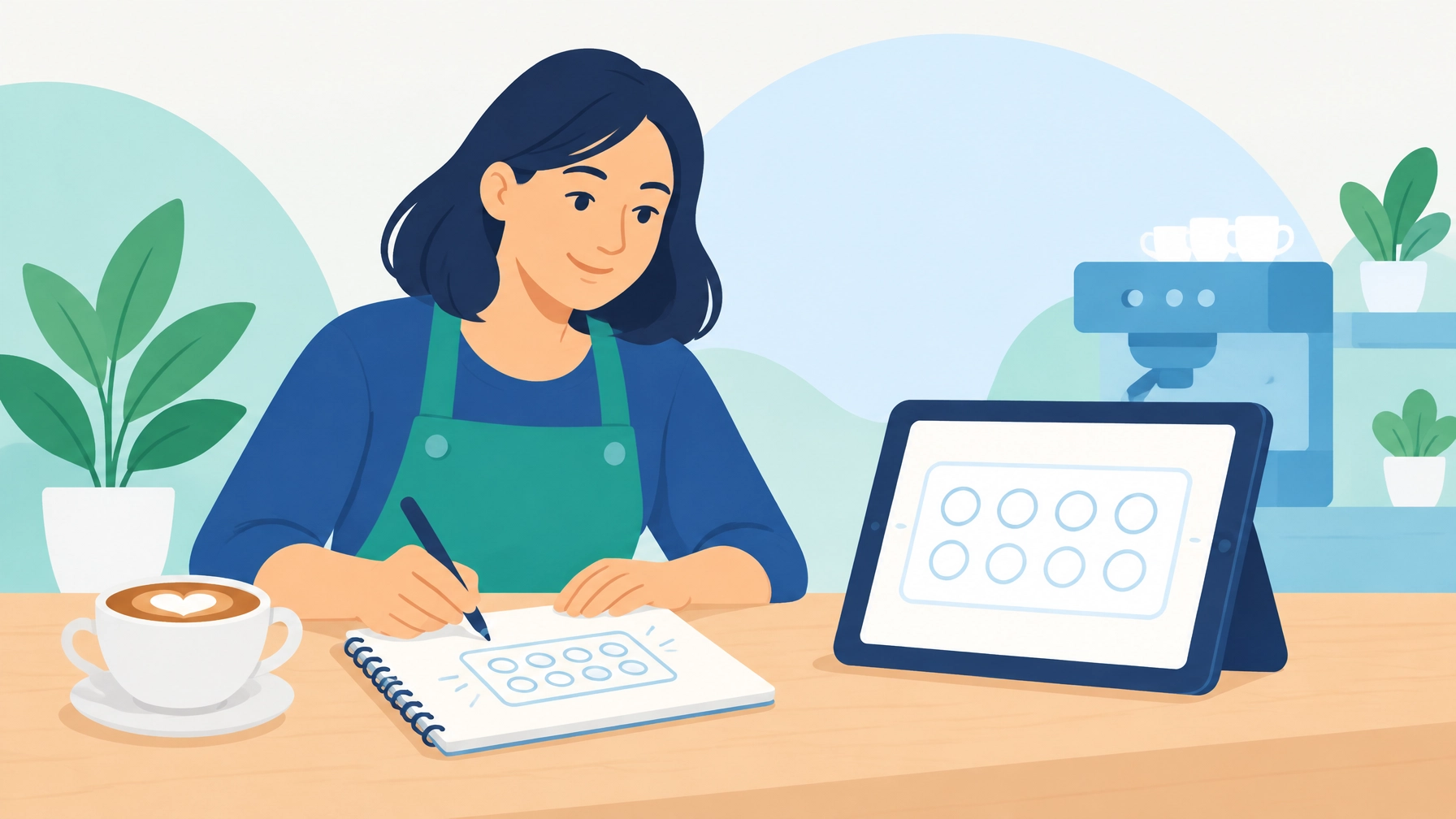
Begin by creating the business profile and applying the coffee shop's branding. The digital pass or loyalty card should clearly show the business name and use familiar visual elements. Customers may be joining while standing in line, so clarity matters more than elaborate design. Keep the reward message visible and specific, such as Earn 1 point for every coffee purchase or Collect 9 stamps and get a coffee on us.
Next, choose the loyalty structure that matches the business goal. For a stamp model, define what earns a stamp and what redemption looks like. For a points model, establish the earning rate, the number of points required for each reward, and any exclusions. Confirm that the reward can be delivered profitably. A free brewed coffee may have a manageable cost, while a fully customized specialty drink may not be the right default redemption at every shop.
Configure the customer enrollment path with the counter experience in mind. The process should take only a few moments and should be easy for staff to describe. Depending on the BoomerangMe setup selected, this may involve a QR code, a digital pass, or another mobile enrollment method. Place the enrollment prompt where customers can see it while ordering or waiting for their drinks, not where it competes with the payment process.
Set up the customer communications carefully. A welcome message can explain the reward and encourage the first return visit. Later campaigns may be used for a slow afternoon offer, a new seasonal beverage, or a reminder to customers who have not visited recently. Frequency is the trade-off. Too few messages can make the program forgettable, while too many can feel intrusive and lead customers to disengage. Start conservatively and adjust based on response data.
Finally, assign user access based on job responsibilities. Owners and managers should retain control over settings, promotions, and reporting. Shift leads may need authority to resolve customer issues. Frontline employees generally need only the tools and instructions required to enroll members, issue credit when appropriate, and redeem rewards. Limiting access reduces avoidable configuration errors.
Test the Customer Journey Before Launch
Do not make the program public until someone has completed the full journey as a customer. Use a test device to enroll, earn the required stamps or points, receive the reward, and redeem it. Check that the business name, offer language, dates, and notifications appear correctly. Test in the actual store, using the Wi-Fi and counter workflow employees will use every day.
This is also the time to test exception handling. What happens if a customer changes phones? What should staff do if a stamp was missed? How will a manager handle a reward that appears expired? The platform's available tools and labels can vary by plan and configuration, so document the approved process for your particular account instead of asking staff to improvise.
If the coffee shop uses a separate point-of-sale system, confirm how the loyalty workflow fits alongside it. Some teams prefer a staff-driven validation step; others may configure a process tied more closely to a transaction. The right choice depends on the shop's systems, volume, staffing, and desired level of control. The priority is a process that is reliable during peak service, not one that looks sophisticated on paper.
Train Staff for a Fast, Consistent Counter Experience
Employees do not need a technical presentation. They need a short, repeatable explanation and a clear set of actions. A useful script might be: Would you like to join our coffee rewards? It takes a minute, and you will earn toward a free drink. Train staff to use the same language so customers receive a consistent answer regardless of who is working.
Show employees how to recognize an enrolled customer, apply or verify credit, redeem rewards, and escalate unusual cases. Give them a one-page reference at the register that includes the program rules and a manager contact. This is especially valuable when part-time staff or new hires are covering busy shifts.
Managers should also watch the first few days closely. If baristas are skipping enrollment because the steps are unclear, fix the workflow rather than assuming employees are resistant. Adoption problems are often implementation problems: signage is poorly placed, the instruction is too long, or staff are unsure who can resolve an error.
Launch With Visibility, Then Review the Results
A loyalty program needs a practical launch plan. Add a counter sign, a small table tent, and a brief mention on relevant customer communications. Ask staff to offer enrollment naturally, especially to regulars who already know the shop. A launch incentive can help, such as a bonus stamp for joining during the first week, but make sure it does not create confusion about the standard earning rules.
After the launch, review performance on a regular schedule. Track enrollments, active members, reward redemptions, repeat visits, and promotion response where available. Also listen to operational feedback. If redemptions cluster during the busiest hour, a different reward window or expiration rule may better support the shop's service capacity.
Do not judge the program solely by the number of sign-ups. A smaller group of customers who return consistently can be more valuable than a large database of inactive members. Look for changes in customer behavior and compare them against the cost of rewards, campaign activity, and staff time.
Treat Loyalty as an Ongoing Operating Process
The initial setup is not the finish line. Menu changes, seasonal offers, employee turnover, and customer feedback all create maintenance needs. Review rewards at least quarterly and confirm that pricing, product names, exclusions, and expiration settings still match the business. Refresh staff training whenever the program changes.
For businesses that do not want internal teams carrying the full configuration and support burden, MBH Web Services can help connect SaaS adoption with implementation and ongoing operational support. The useful outcome is not simply having a loyalty platform in place. It is having a program staff can run confidently and customers want to use on their next coffee run.