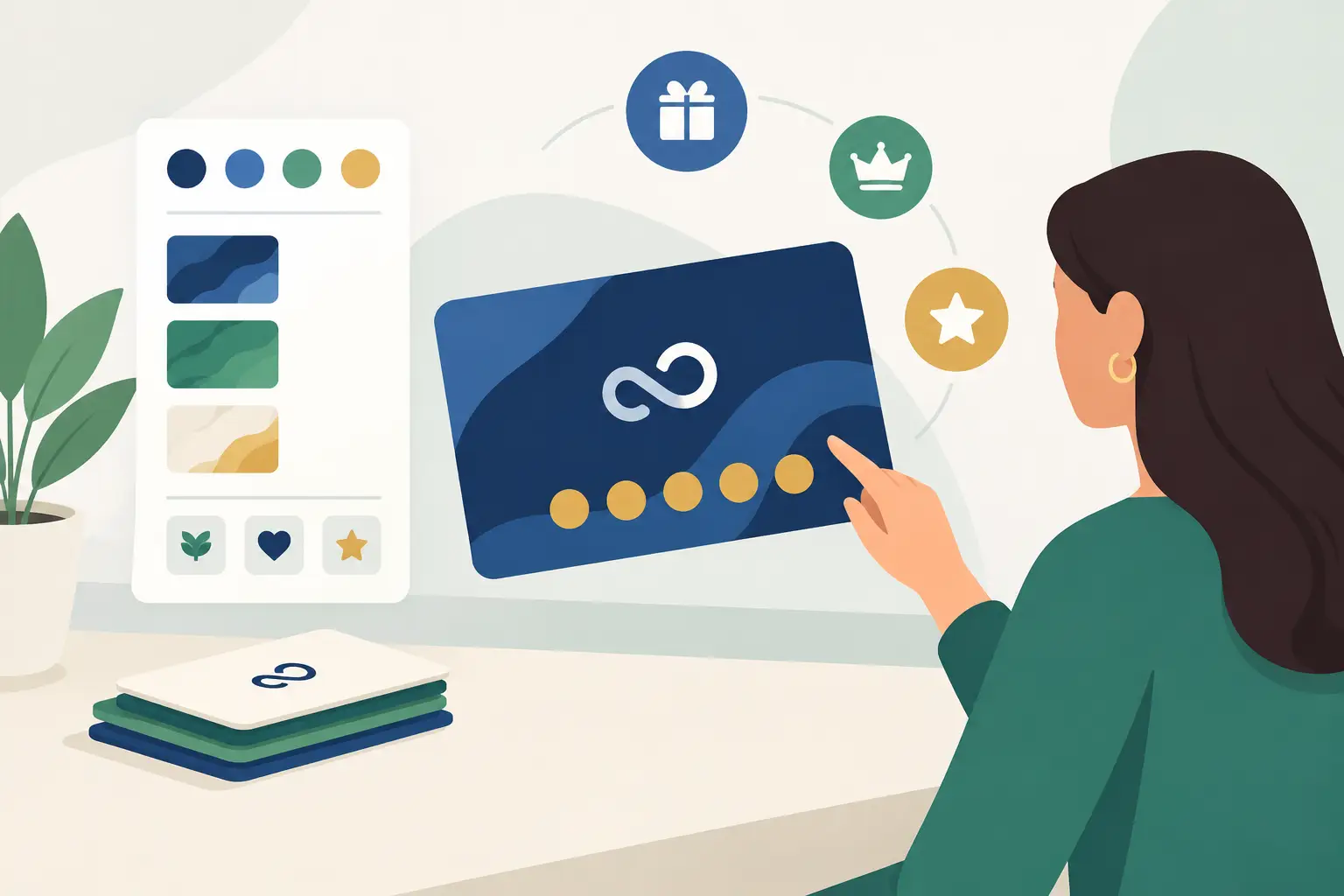
A loyalty card that looks generic can still track visits, but it may not give customers a reason to remember your business. Knowing how to customize your BoomerangMe loyalty card helps turn a basic digital pass into a familiar part of the customer experience - one that reflects your brand, sets clear expectations, and supports repeat business.
For a small or mid-sized business, the goal is not to add every available design element or promotion. The goal is to build a card that customers can recognize quickly, employees can explain confidently, and managers can maintain without creating confusion later.
Start With the Customer Experience You Want to Create
Before changing colors, images, or reward settings, decide what the loyalty card needs to accomplish. A neighborhood coffee shop may want to encourage a tenth purchase. A salon may want to bring clients back on a predictable schedule. A service business may use loyalty offers to reward referrals, repeat appointments, or seasonal purchases.
This decision affects every customization choice. If the reward is too complicated, customers may stop participating. If the card promises a discount that staff cannot honor consistently, the program can create more operational work than value. Keep the customer action simple: make a qualifying purchase, collect progress, and receive a clearly stated benefit.
It also helps to establish who owns the program internally. One person should be responsible for approving changes to rewards, messaging, and brand assets. This prevents different locations or team members from giving customers conflicting information.
How to Customize Your BoomerangMe Loyalty Card Step by Step
The exact labels and options in BoomerangMe may vary by account plan or platform updates, but the customization process generally starts in the card editor or loyalty card settings area. Work through the card in the same order a customer will experience it: identity first, reward rules second, then communications and ongoing management.
Add consistent brand elements
Begin with the business name, logo, and primary visual style. Use a logo file that stays readable at small sizes. A detailed horizontal logo may look good on a website but become difficult to recognize on a phone screen. If possible, choose a simplified mark or a version designed for compact digital use.
Select brand colors carefully. Your main color should support readability for text and progress indicators. High contrast matters more than decorative styling, especially when customers are checking their card quickly at a register or from a mobile wallet notification.
Use a business name that matches the name customers see on storefront signage, receipts, and online listings. A shortened legal entity name or an internal department name can make a customer wonder whether the card is legitimate. Consistency reduces unnecessary questions at checkout.
Your reward description should answer three questions without requiring an employee explanation: what the customer needs to do, how much progress they need, and what they receive.
For example, “Buy 9 coffees, get the 10th free” is more effective than “Earn points toward exclusive rewards.” The second option may sound more promotional, but it leaves too much open to interpretation. If your business uses spend-based rewards, state the qualifying amount and any exclusions in plain language.
Be specific about redemption conditions when they matter. If a reward cannot be combined with another offer, applies only to selected services, or expires after a certain period, explain that clearly in the card details or terms. Customers do not expect lengthy policy language, but they do expect fair and consistent treatment.
The right reward value depends on your margins and purchase cycle. A high-frequency business can often use a visit-based model. Businesses with larger, less frequent transactions may prefer a spend threshold or a targeted offer. Test the economics before launching, especially if multiple locations will participate.
Next, set the rules that determine how customers earn stamps, points, or visits. The operational requirement is just as important as the marketing idea. Your team needs a dependable way to confirm qualifying activity and apply progress consistently.
Consider how the card will be issued. You may share it through a QR code at the point of sale, an email campaign, a website prompt, printed materials, or customer-facing signage. Use the channels your customers already use. A restaurant may get strong results from a counter display, while a professional services firm may introduce the program after an appointment or through follow-up communication.
Think through edge cases before the card goes live. Decide how staff should handle refunds, split transactions, missed stamps, duplicate cards, and customer disputes. A short internal procedure is often enough. The key is that employees know whom to ask when a situation falls outside normal use.
A digital loyalty card should make it easy for customers to return, contact your business, or find a location. Add the phone number, website address, physical address, and social details that are genuinely useful to your audience. Do not treat every field as mandatory simply because it is available.
If you operate multiple locations, verify whether the same offer applies at each site. If it does not, make that distinction visible. Customers are far more likely to accept limitations when they are stated before redemption rather than at the counter.
Use Messaging Without Overloading Customers
BoomerangMe loyalty cards can support customer communication through card updates and notifications, depending on the configuration available to your account. These messages can be useful for reminders, limited-time promotions, opening announcements, or reward status updates. They can also become ineffective if sent too often or without a clear reason.
Build a simple messaging standard before the first campaign. Messages should be timely, specific, and connected to an action the customer can take. “Double stamps this Friday from 2 to 5 p.m.” gives customers a reason to visit. “We miss you” may be appropriate for re-engagement, but it is usually stronger when paired with a defined offer.
Avoid sending the same promotion repeatedly to every cardholder. A customer who visited yesterday should not receive the same return offer as someone who has not purchased in two months. If your available tools allow audience segmentation, use it. If they do not, limit broad messages to offers that are relevant to most participants.
A loyalty card program should be tested like any other customer-facing business process. Add the card to a test device, review how it appears in a mobile wallet, and check the logo, colors, business name, reward wording, and contact information. Then complete the full customer journey: issue the card, earn progress, redeem the reward, and confirm that staff can recognize the result.
Include the people who will support the program day to day. Frontline employees often identify practical problems that managers miss, such as unclear redemption wording, a hard-to-scan QR code, or a process that slows down a busy checkout period.
A useful pre-launch review should cover these areas:
- Brand presentation, including logo quality, business name, and readable colors
- Reward rules, exclusions, expiration language, and financial viability
- Staff procedures for issuing, updating, and redeeming cards
- Customer-facing instructions at the counter, online, or in follow-up messages
- Ownership of future edits, reporting, and support requests
Testing may feel like an extra step for a simple card, but it protects the customer experience. It is easier to correct a reward description before dozens of customers have enrolled than after the program has become part of their expectations.
Maintain the Program After Launch
Customization is not a one-time project. Business hours change, product lines shift, and promotional priorities evolve. Set a recurring review schedule - monthly for active promotions and quarterly for core card information is often practical for smaller teams.
Review whether customers are joining the program, how often they return, and whether rewards are being redeemed at a sustainable rate. Low participation can signal that the offer is hard to understand, staff are not mentioning it, or customers do not see enough value. High enrollment with low redemption may indicate that earning progress takes too long or customers are not receiving useful reminders.
Do not change reward rules casually after customers have begun earning toward a benefit. If a change is necessary, communicate it clearly and consider honoring progress already earned under the previous terms. Reliability matters more than squeezing a short-term gain from the program.
For organizations without internal capacity to manage recurring updates, staff onboarding, and platform administration, an implementation partner can provide continuity beyond the initial setup. MBH Web Services supports businesses that need SaaS tools to remain operationally useful after launch, not simply configured once and left unattended.
A well-customized loyalty card should feel simple to the customer because the work behind it has been planned. Keep the branding recognizable, the reward clear, and the staff process dependable. When those pieces stay aligned, the card becomes a practical reason for customers to choose your business again.