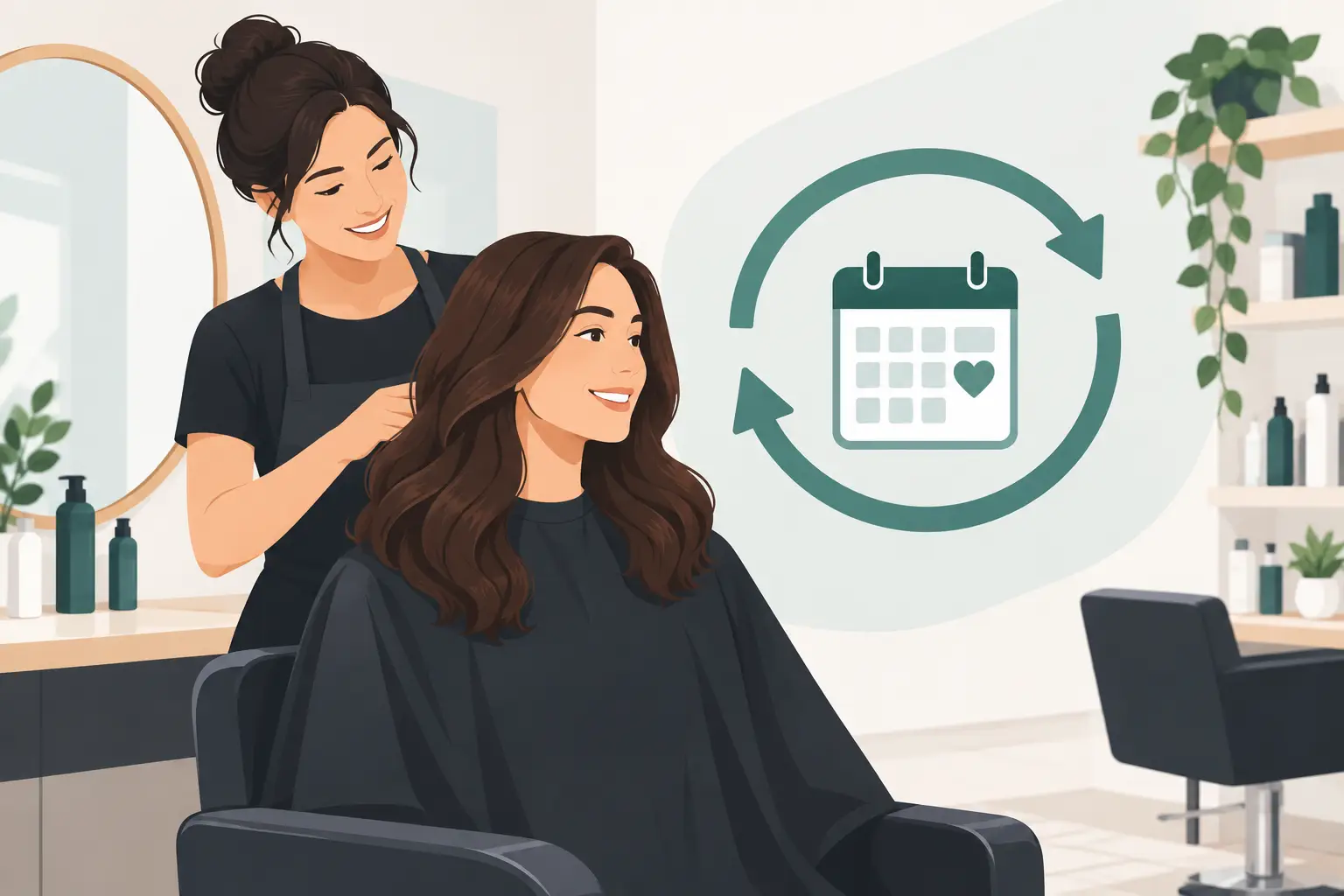
A salon does not need more one-time bargain hunters. It needs clients who rebook, return for retail products, try additional services, and recommend the business to friends. BoomerangMe for salons: how to reward repeat visits without constant discounts is a practical question because loyalty programs can either support that goal or quietly train clients to wait for the next price cut.
A well-configured digital loyalty program gives salon owners another way to recognize valuable behavior. Instead of reducing the price of every appointment, the salon can reward frequency, service combinations, referrals, and milestone visits. The result should be a retention program that feels useful to clients and remains financially workable for the business.
Why constant discounts create a retention problem
Discounts can fill slow periods and help introduce a new service. They are not inherently wrong. The problem begins when a discount becomes the salon's primary reason for communicating with clients.
Clients quickly learn the pattern. If a 20% offer arrives every few weeks, a regular guest may delay booking until the next promotion. The salon receives less revenue for work it likely would have performed at full price. Over time, that can make scheduling less predictable and place unnecessary pressure on service margins.
There is also a brand consideration. A salon built around expertise, service quality, and trusted relationships should not have to compete only on price. Loyalty should reinforce the experience clients value: convenience, recognition, personalized care, and access to a meaningful benefit.
Digital loyalty programs work best when they reward a behavior the salon wants to see more often. For many businesses, that behavior is a completed visit. For others, it may be booking the next appointment before leaving, purchasing home-care products, referring a new client, or returning after a long gap.
How BoomerangMe for salons supports repeat visits
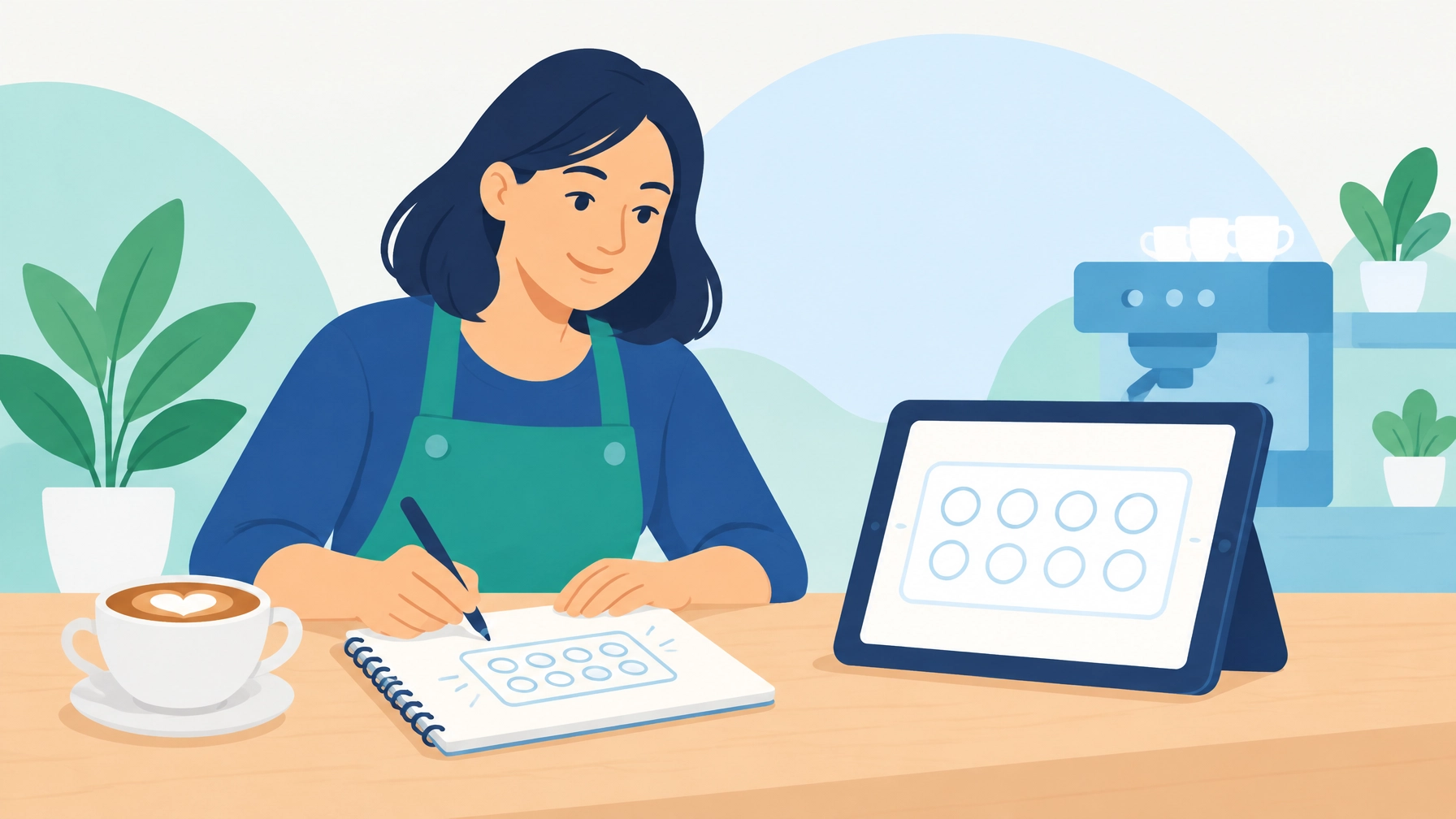
BoomerangMe provides digital loyalty cards that clients can keep on their mobile devices. For a salon, the practical advantage is that the program can be visible at the point of service without requiring physical punch cards, printed coupons, or another app for clients to download.
The card itself is only part of the process. The business needs clear rules, staff adoption, and a reward structure that fits its economics. A loyalty card with an unclear offer or inconsistent use at checkout will not create reliable results, regardless of the software behind it.
A common starting point is a visit-based program. A client receives a digital stamp after each qualifying appointment and earns a benefit after a defined number of visits. This is simple for staff to explain and easy for clients to understand. It can also encourage guests to choose the same salon for their routine maintenance rather than splitting appointments among competitors.
The key is to define a qualifying visit carefully. A salon may choose to award stamps only for services above a minimum spend, exclude heavily discounted bookings, or provide different rewards for premium services. These choices are not about making the program difficult. They protect the program from rewarding low-margin activity in a way that costs more than the retention value it produces.
Choose rewards that protect margin
A reward does not have to be a broad percentage discount. In many salons, the strongest rewards have a controlled cost and a high perceived value.
For example, a salon might offer a complimentary conditioning treatment, a brow add-on, a travel-size product, or a service upgrade after a set number of visits. The client receives something tangible and enjoyable, while the salon can manage inventory, appointment time, and actual cost more precisely than it can with an open-ended discount.
Rewards can also introduce clients to services they have not tried. A client who visits for haircuts may be more likely to add a treatment after receiving one as a loyalty benefit. That may create a future service preference, not just a single redeemed reward.
The right reward depends on the salon's model. A high-volume express salon may benefit from a simple visit-and-reward structure. A full-service salon may prefer tiered rewards that recognize annual spend, premium service bookings, or referrals. A spa-oriented business may need to account for room time and provider availability before offering any complimentary add-on.
The goal is not to make every client transaction cheaper. It is to make returning feel more valuable.
Build the program around the client journey
A loyalty program should fit into the way a salon already serves clients. If staff have to remember a complicated sequence of exceptions, the program will be inconsistently applied. If clients need a long explanation before they join, enrollment will remain low.
Start at the most natural moment: checkout. After a client has completed a positive appointment, staff can invite them to join the digital loyalty program, explain the benefit in one sentence, and issue the first stamp. That immediate value gives clients a reason to retain the card and pay attention to future messages.
The next opportunity is rebooking. When a client books their next appointment before leaving, the salon can remind them how close they are to a reward. This is more effective than a generic promotional message because it connects the next visit with progress the client has already earned.
Digital cards can also support targeted outreach. A salon may send a reminder to clients who have not visited recently, announce a limited seasonal service, or recognize members approaching a reward threshold. Communication should remain purposeful. Frequent messages with no clear benefit can feel like noise, even when clients originally opted in.
Make staff adoption part of implementation
The salon team determines whether a loyalty program becomes a dependable operating process or an underused feature. Owners should not treat setup as complete when the card design is finished.
Staff need a short, repeatable process: how to enroll a client, when to issue a stamp, how to validate a reward, and what to say if a client has a question. They also need clarity on exceptions. For example, can multiple stamps be issued for one visit? Do gift-card purchases qualify? Are rewards valid with other offers?
A simple written policy prevents awkward front-desk decisions. It also gives managers a basis for training new employees and maintaining consistency across locations or shifts.
This is where implementation support matters. Businesses adopting third-party SaaS tools often focus on the initial account setup, then discover that adoption, configuration, and ongoing maintenance require just as much attention. MBH Web Services approaches software as an operating capability, helping organizations move from product access to a process their teams can sustain.
For a salon loyalty program, that may include configuring the program rules, preparing staff guidance, reviewing enrollment workflows, and revisiting the setup after the first few weeks of use. The best program is not necessarily the one with the most features. It is the one employees can run confidently during a busy day.
Measure behavior, not just enrollment
A growing list of loyalty members is encouraging, but it is not the outcome that matters most. Salon owners should review whether enrolled clients return more frequently, rebook more consistently, spend more per visit, or respond to carefully selected campaigns.
Start with a baseline. Look at the typical time between appointments, repeat-visit rate, average ticket, and percentage of clients who rebook before leaving. After the program has operated long enough to produce useful data, compare those measures for loyalty members and nonmembers.
It is also useful to examine redemption. Very low redemption may mean clients do not understand the reward, the threshold is too high, or staff are not issuing stamps consistently. Very high redemption is not automatically a problem, but it should prompt a margin review. A reward that is popular but costly may need to be adjusted rather than eliminated.
Avoid changing the offer every week. Clients need enough time to understand and progress through the program. A quarterly review is often more useful than reacting to a small number of early results.
Set reasonable expectations
A loyalty program will not solve weak service quality, inconsistent scheduling, or poor client communication. It works best when the basics are already in place: appointments begin on time, the experience meets expectations, client records are handled responsibly, and staff ask for the next booking.
It also may not be the first priority for every salon. A new salon with limited demand may need to focus on local awareness and first-time client acquisition before investing heavily in retention campaigns. Conversely, an established salon with a steady client base may see more value from improving repeat-visit behavior than from offering another introductory discount.
The practical question is simple: what behavior would make the business healthier if more clients did it? Configure the loyalty program to reward that behavior, give staff a process they can follow, and review the results against real operating metrics. When clients feel recognized for returning, the salon can build loyalty without teaching them that the only reason to come back is a lower price.