Paper cards are easy to start, and easy to lose
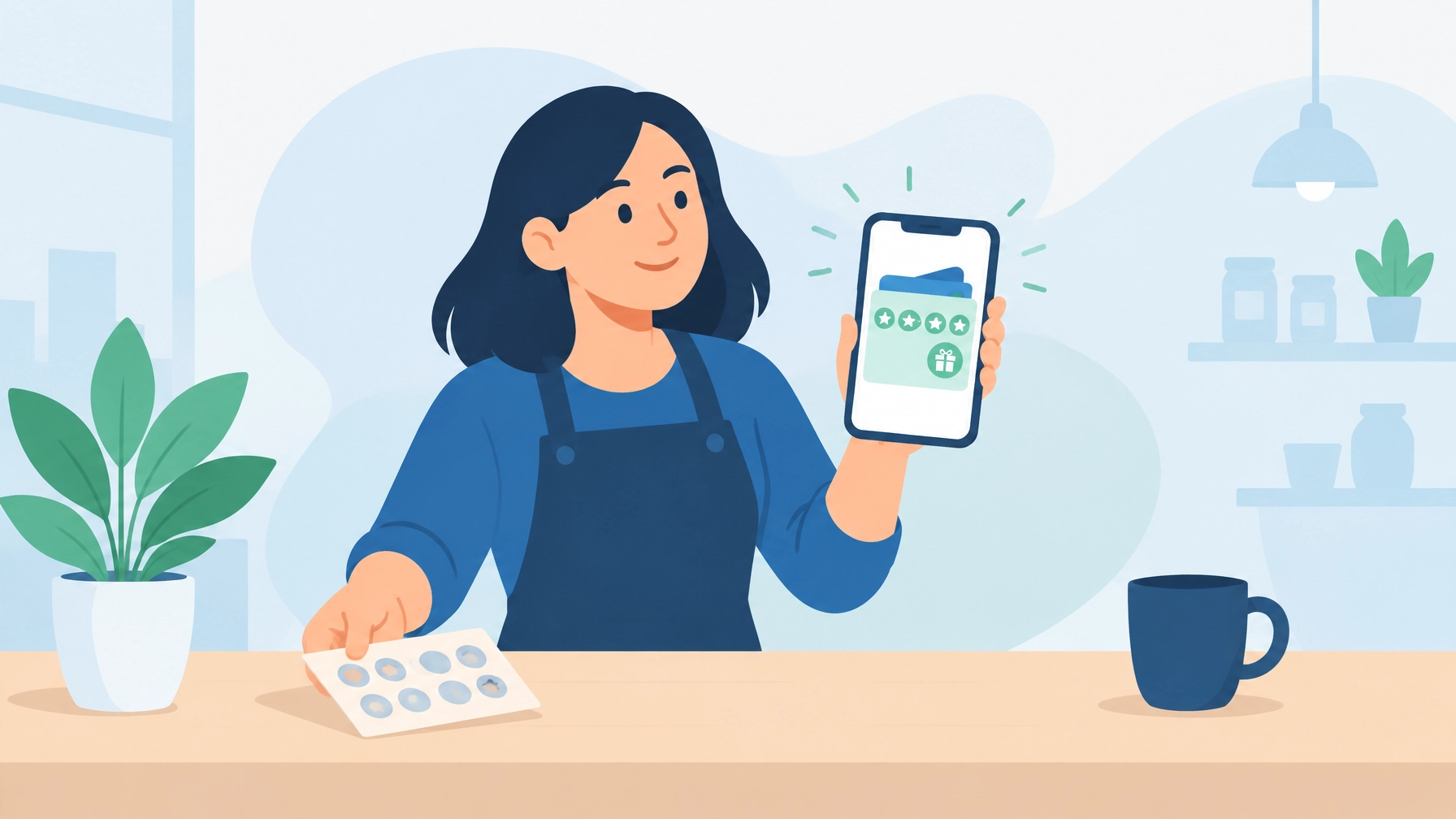
A paper card can work well for a small, straightforward reward. But it has limits. Customers may forget to bring it, lose it, or stop carrying it. Meanwhile, your team has few ways to contact cardholders between visits or see how the program is performing.
A physical punch card also records stamps, not much else. Without a connected process, it can be difficult to tell whether a promotion is bringing customers back, which rewards are being claimed, or where people lose interest.
A digital card can reduce those points of friction. With BoomerangMe, businesses can issue digital stamp cards and rewards stored in Apple Wallet or Google Wallet. Customers can keep the card on their phone instead of remembering to bring a paper one. Depending on your setup, rewards can be issued through a POS connection or handled through a standalone process.
A digital card can do more than count visits
The difference is not just paper versus phone. Customer loyalty software can connect the card to communication and reporting, so your program has a way to follow up and learn from customer activity.
Features available through BoomerangMe include:
- Digital stamp cards and rewards stored in Apple Wallet and Google Wallet.
- Automated push notifications, SMS, and email to share timely updates or offers.
- Geo-fenced messaging to support location-based customer communication.
- CRM segmentation to group customers and tailor messages.
- POS and CRM integrations to connect loyalty activity with other business tools.
- Automated ROI reports to help review how your campaign is performing.
These tools do not guarantee repeat visits on their own. The reward needs to make sense, the process needs to be easy at checkout, and the messages need to be relevant. But a connected system gives you more ways to manage those details than a paper card can.
Keep rewards within reach
A loyalty card can lose momentum if customers have to wait too long to earn anything. The reward should feel worth pursuing, but it also needs to feel attainable.
A 2026 benchmark from FaveCard analyzed loyalty-card activity at 1,013 small businesses. In that dataset, cards designed to reach a reward in 2–4 weeks had an 11.4% completion rate, while cards with a 4–8 week reward window had a 9.3% completion rate. The rate fell to 1.2% for cards taking 16–32 weeks. FaveCard notes that the figures come from its own platform and should be treated as directional, not universal industry results.
The practical lesson: start by looking at how often your customers typically visit. A coffee shop with frequent regulars may be able to use a different stamp count than a salon where customers return every few weeks. If the reward feels distant, consider fewer stamps or a smaller milestone reward along the way.
Keep the offer simple enough for your team to explain and customers to understand. Then review completion and redemption data after launch. A short reward cycle is a useful starting point, not a substitute for checking what works for your own business.
Measure the return, not just the sign-ups
A loyalty program needs more than enrollments to prove its value. You want to know whether members are coming back, using rewards, and contributing to revenue.
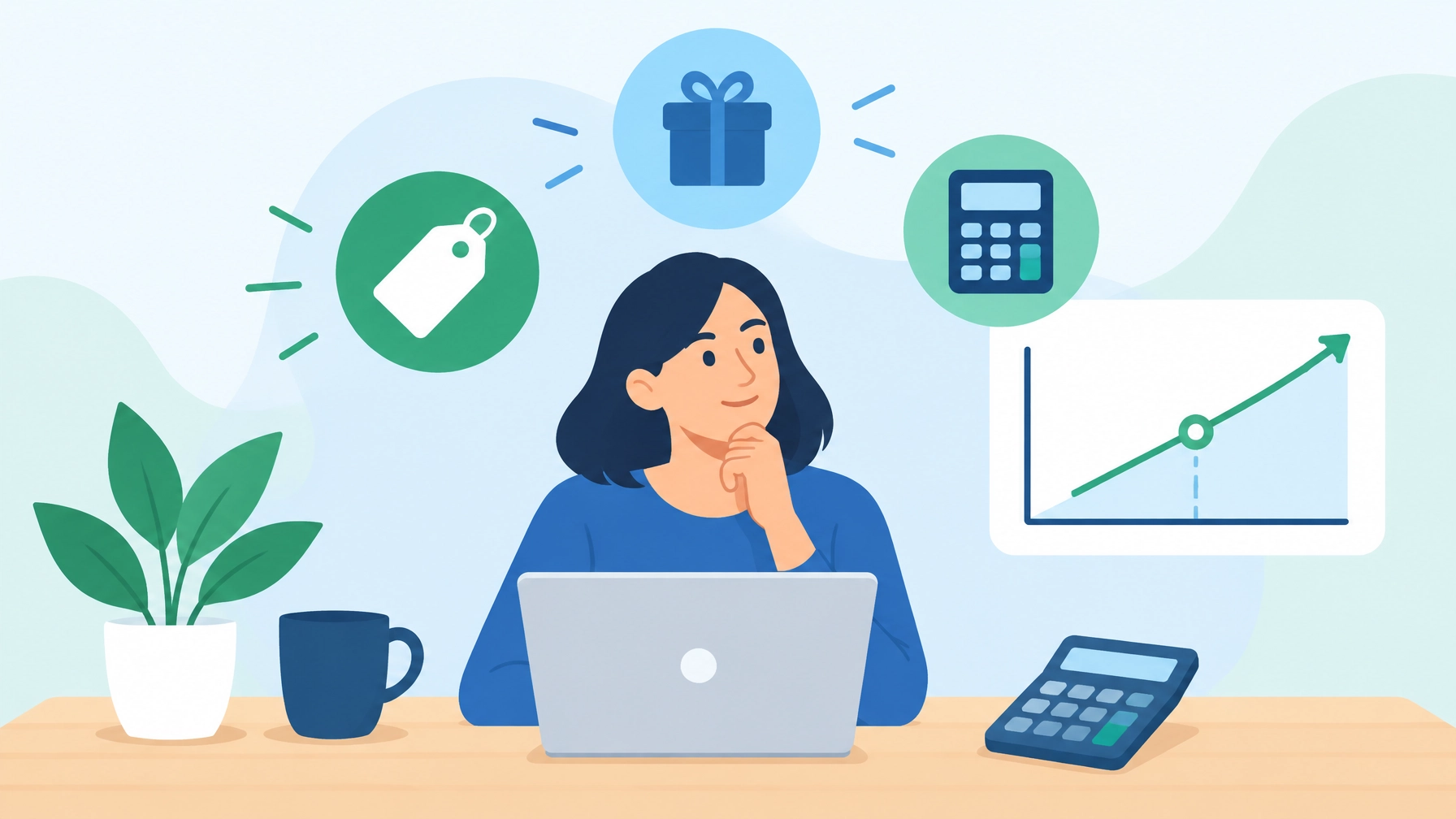
Antavo’s Global Customer Loyalty Report 2026 found that 92.7% of loyalty program owners who track ROI reported a positive return, averaging 5.3x. Those are survey-reported program results, not a promise that any one business or loyalty platform will deliver the same return. Still, they show why businesses invest in retention, and why it matters to track the outcome rather than assume a program is working.
BoomerangMe reports results including up to a 2x increase in customer retention and an average check-size increase of up to 30%. Its website notes that results are based on customer-reported data and may vary. A reported DimCoffee case study describes 3.6x revenue growth and $1.8 million in new sales across 42 locations over eight months. Treat these as examples of reported outcomes, not guarantees for your business.
Your own measurement should reflect your goals and costs. Track enrollment, visits, reward completion, redemptions, and sales associated with the program where your setup allows. Compare the results with the cost of rewards, software, messaging, and implementation. That gives you a more grounded view of whether the campaign is worth continuing or adjusting.
Choose software that fits how your team works
Digital loyalty cards work best when the process fits into your existing customer journey. Before choosing customer loyalty software, consider a few practical questions:
- How will customers join? Make enrollment easy to explain and complete.
- How will staff issue stamps or rewards? Keep checkout steps clear and consistent.
- What reward can your business afford? Check the cost and margin before launching.
- Do your POS or CRM tools need to connect? Confirm the workflow and integration requirements.
- How will you communicate with members? Set a sensible plan for messages and avoid sending updates without a clear purpose.
- What will you review after launch? Decide which measures will show whether the program is helping.
This is where implementation matters. A useful platform can still create friction if the rules are unclear, integrations are incomplete, or staff have not been shown what to do.
MBH helps make the campaign usable
MBH Web Services helps small and medium-sized businesses choose and implement software around their real workflows. For a digital loyalty campaign, that can include software selection, custom setup, POS and CRM integrations, and staff training. Our typical deployments take around five days, depending on the scope and integrations involved.
We can help you configure BoomerangMe to match your reward structure, customer journey, and team’s day-to-day process, not just switch on generic settings. We also provide hands-on onboarding so employees understand how to enroll customers, issue rewards, and handle the workflow consistently.
If a paper punch card is becoming hard to track or difficult to scale, digital loyalty cards may be a practical next step. Contact MBH Web Services for a no-pressure conversation about your goals, tools, and setup. We serve businesses in Greater Houston and Harris County, and can also work with clients outside the area.