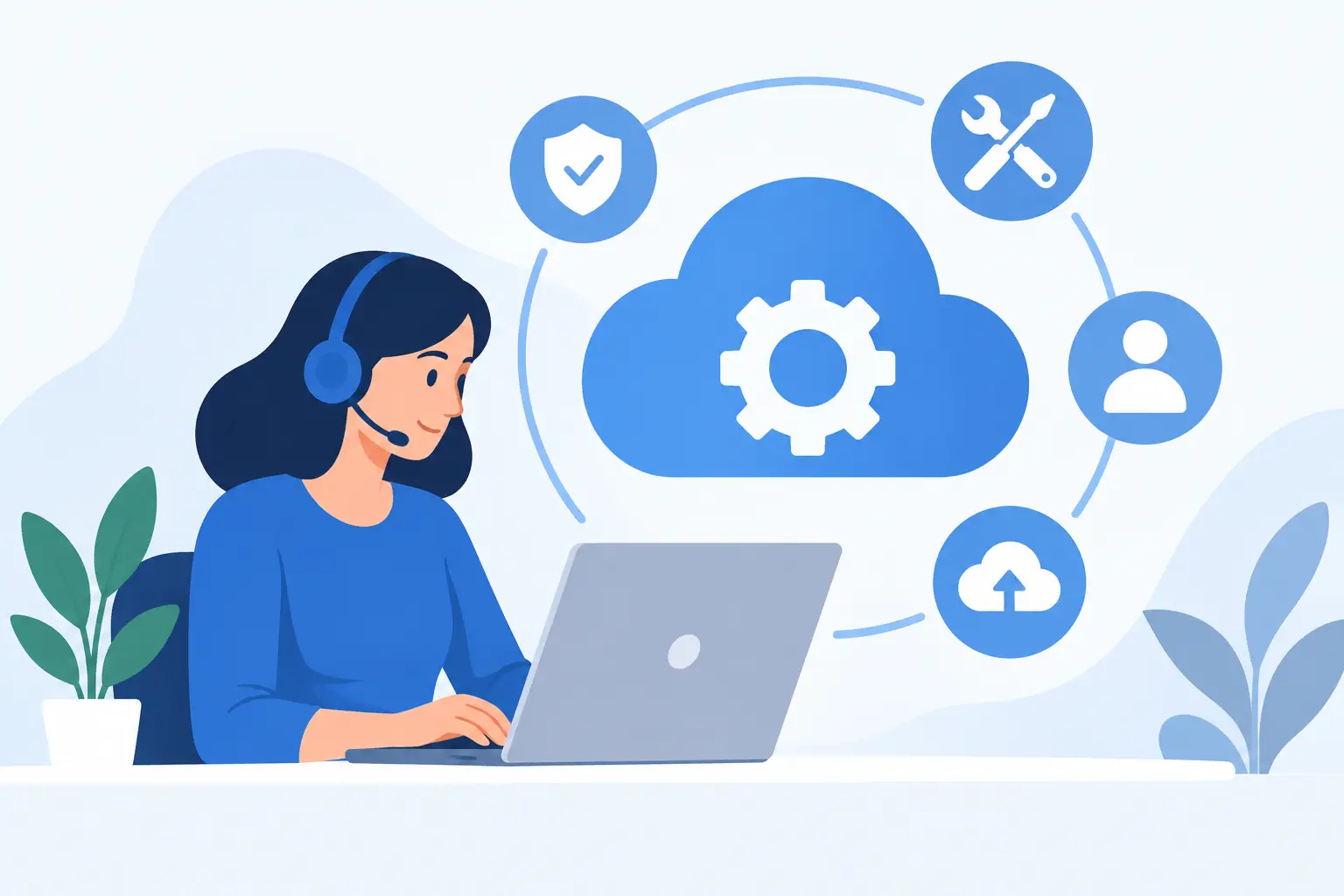
A SaaS subscription can be activated in minutes. Getting it to support real work month after month takes more than a login and a vendor help center. SaaS maintenance and support is the operational work that keeps a platform configured correctly, users productive, data protected, and ownership clear after implementation is complete.
For small and mid-sized businesses, this distinction matters. A tool may look successful on launch day while critical issues remain unresolved: employees use workarounds, permissions drift, new hires never receive proper access, and a key workflow breaks after an update. The subscription is still active, but the business value starts to fade.
Software Adoption Does Not End at Go-Live
Implementation is a milestone, not the finish line. Once a team begins using a SaaS product in daily operations, its needs change. Questions become more specific. Managers ask for reports that were not part of the original setup. Employees need help applying the software to an exception in their workflow. Administrators need to update roles when responsibilities change.
There is also normal business change to manage. Teams grow, departments reorganize, policies evolve, and other systems are added or replaced. A configuration that made sense six months ago may no longer reflect how the company operates. Without regular attention, the software becomes harder to use and less trusted.
That is why support should be viewed as a business service rather than a collection of technical tickets. The goal is not simply to close requests. It is to keep the platform aligned with the work people need to do.
What SaaS Maintenance and Support Should Cover
The right scope depends on the platform and how central it is to operations. A simple scheduling tool may require occasional account help. A customer management, finance, communications, or workflow system may need ongoing administration and more structured review.
At a practical level, effective support usually addresses four connected areas:
- User and access management: adding users, removing access promptly, managing roles, and helping employees get started correctly.
- Configuration upkeep: adjusting settings, workflows, templates, notifications, and permissions as business requirements change.
- Issue coordination: diagnosing problems, answering usage questions, documenting the issue clearly, and working with the software vendor when escalation is needed.
- Operational review: identifying recurring problems, underused features, training gaps, and changes that could improve adoption.
These areas overlap. For example, a request for a new employee account may expose an unclear role structure. A recurring support question may show that a workflow needs to be simplified or that a team needs targeted training. Good support looks for the underlying cause instead of treating every request as isolated.
The Cost of Treating Support as an Afterthought
When there is no defined owner for a business application, work does not disappear. It shifts to whoever is available. An office manager may spend hours troubleshooting access. A department lead may create an unofficial process outside the system. An internal IT employee may become responsible for a platform they were never asked to administer.
This creates a hidden operating cost. The company pays for the subscription, then pays again through lost time, inconsistent processes, and delayed decisions. It can also create avoidable risk when former employees retain access, shared accounts are used for convenience, or no one knows which settings affect a sensitive workflow.
Vendor support has a place, but it is not always enough. A software vendor can explain how a feature works or investigate a product defect. They typically do not know your team structure, approval process, customer requirements, or internal reporting needs. They may answer the technical question while leaving the operational question unresolved.
A service partner can bridge that gap. MBH Web Services supports the full lifecycle around third-party software, helping customers move from purchase and implementation into continued use with a clear point of accountability.
Clear Ownership Makes Support More Effective
The strongest support arrangement begins with defined responsibilities. Customers should know who handles routine questions, who can approve configuration changes, how urgent issues are reported, and when the software vendor becomes involved.
This does not mean outsourcing every decision. Your business should retain control over policies, priorities, and approval rights. The support provider should bring structure, product familiarity, documentation, and follow-through. Together, those roles reduce the common problem of requests falling between a software vendor, an internal team, and a department manager.
It also helps to distinguish between maintenance and change work. Maintenance keeps the existing environment working as intended. It may include user administration, routine configuration updates, issue handling, and periodic checks. Change work involves larger initiatives, such as redesigning workflows, deploying a new module, integrating another system, or migrating data.
The line is not always exact, and it should not be treated as a contract trap. A small adjustment can become a larger project once the requirements are understood. The practical answer is transparent scoping: address the immediate need, identify the broader impact, and agree on the right next step before work expands.
A Support Model That Fits Growing Businesses
Not every business needs a dedicated full-time application administrator. Many do need more consistency than ad hoc vendor calls and internal guesswork can provide. The right model is based on the platform's importance, the number of users, the pace of organizational change, and the consequences of downtime or poor adoption.
For a growing company, scheduled check-ins can be especially valuable. A short review can surface inactive accounts, repeated help requests, changing team needs, and features that have not been adopted. These conversations prevent small administration issues from becoming entrenched process problems.
Documentation is equally useful. Maintain a current record of core settings, access roles, recurring procedures, key contacts, and escalation paths. Documentation is not bureaucracy for its own sake. It gives new administrators a reliable starting point and reduces dependence on one person remembering how something was set up.
Training should also continue beyond onboarding. Initial training teaches people how to begin. Follow-up guidance helps them use the platform well after they encounter real scenarios. A manager may need reporting help, while front-line users may need a quick refresher on a changed process. Short, role-specific support is often more effective than repeating a broad product demonstration.
Questions to Ask Before Choosing a Support Partner
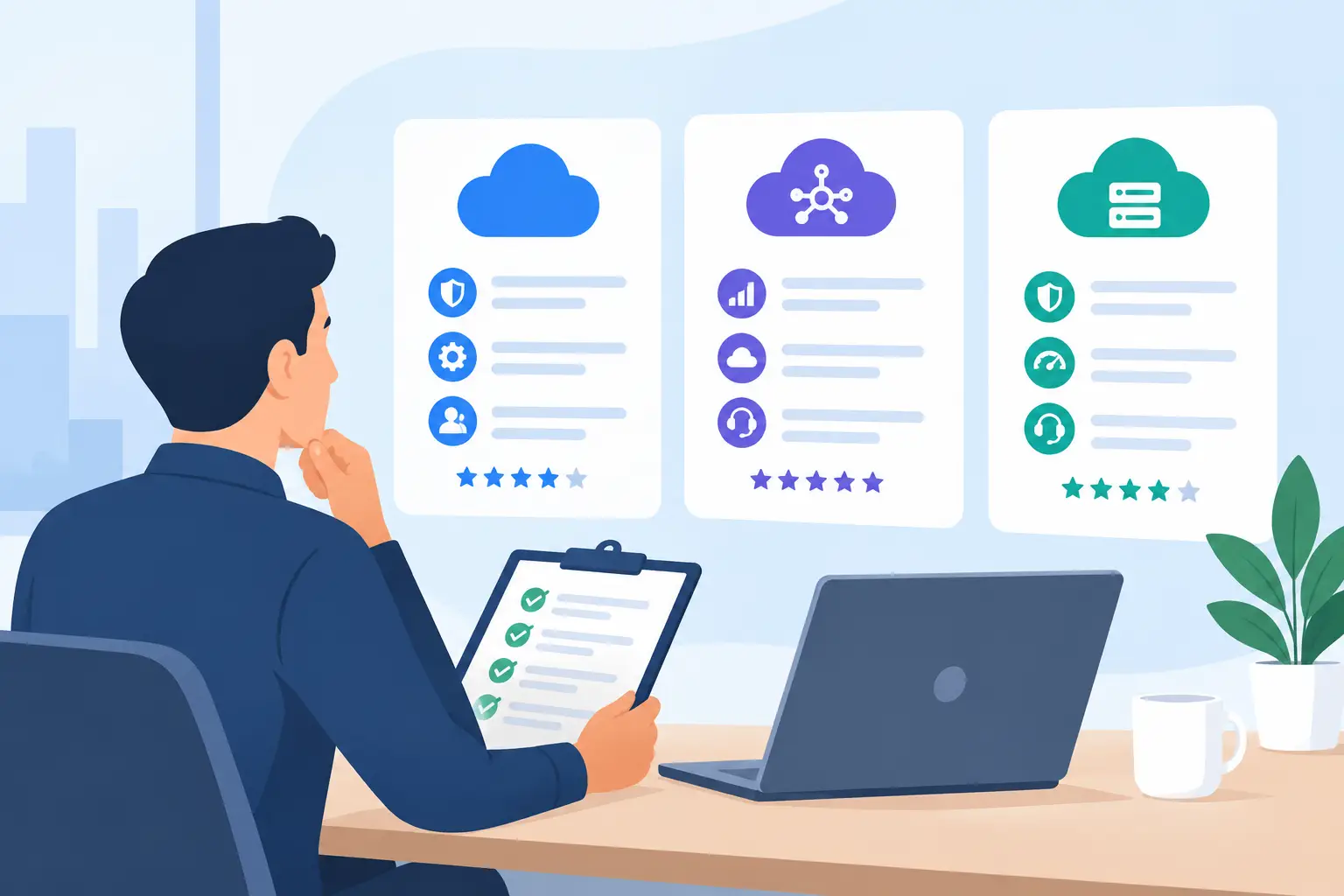
Before assigning ongoing support to a provider, focus on how the service will operate in practice. Ask whether the provider understands both the product and the business workflow it supports. Confirm how requests are submitted, how response expectations are set, and how the provider communicates when an issue requires vendor escalation.
It is also worth asking how configuration changes are documented and approved. A support relationship should make the environment easier to manage over time, not create a new dependency with no visibility. You should be able to understand what has changed, why it changed, and who has authority to request future changes.
Finally, look for a partner that can support continuity. The best provider is not necessarily the one promising that every request is instant. It is the one that responds reliably, explains options clearly, tracks work to completion, and helps your team make sound decisions as needs change.
Support Is How Software Keeps Earning Its Place
A SaaS product earns its value through consistent use, dependable processes, and people who know where to get help. The subscription fee buys access to the platform. Ongoing maintenance turns that access into a capability the business can rely on.
If a platform has become harder to manage, do not wait for a major failure to revisit ownership. Start with the everyday friction: the access requests that linger, the reports no one trusts, the questions that keep returning, and the manual workarounds that have become normal. Those are practical signals that the software needs stewardship, not just another renewal.