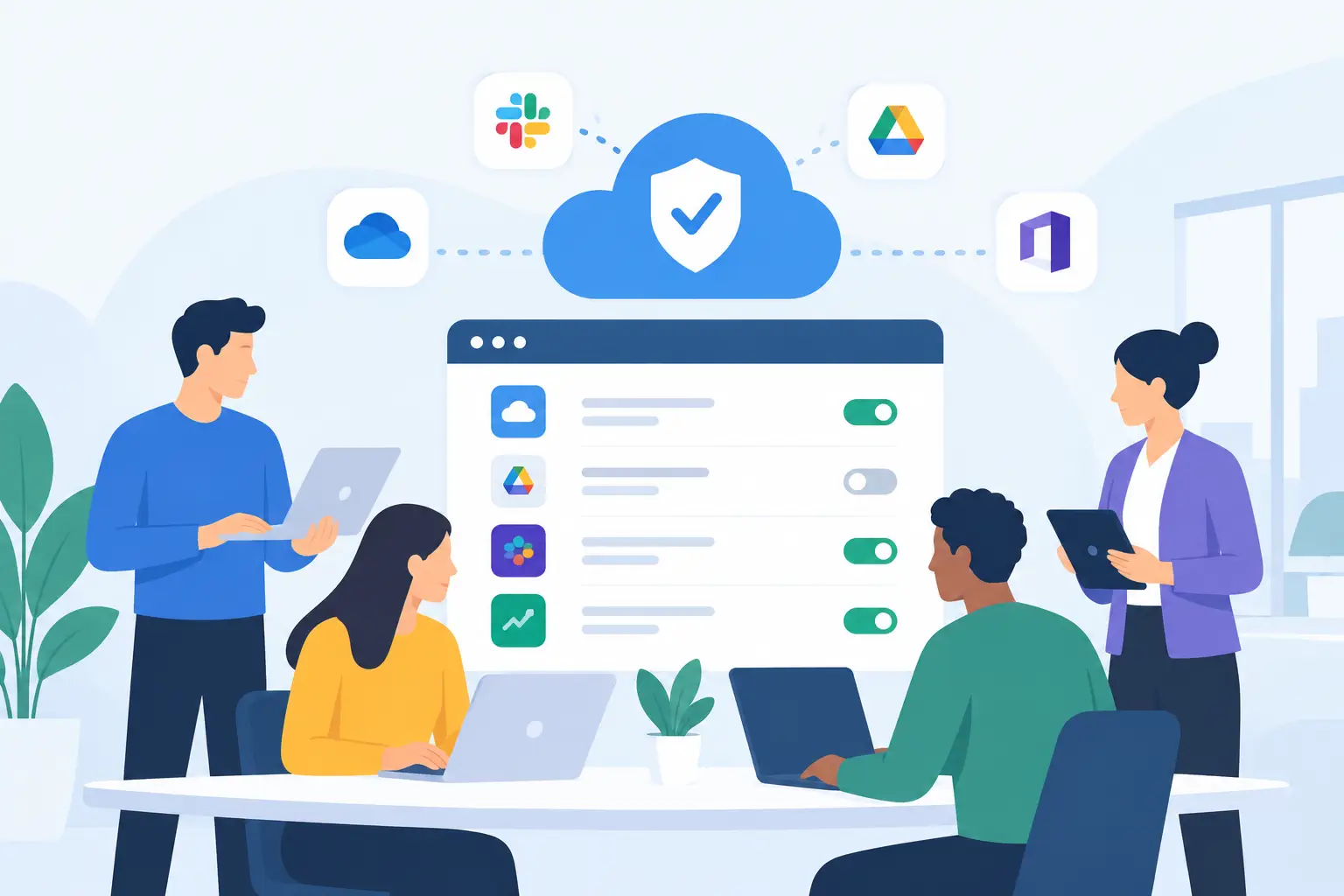
A SaaS license management service is often treated as a purchasing task: count users, buy seats, renew on time. For a growing business, that approach leaves money, security, and employee productivity exposed. Licenses only create value when the right people can access the right tools, understand how to use them, and receive support when something changes.
The challenge is not simply keeping a spreadsheet current. It is maintaining clear ownership across an expanding software stack while employees join, change roles, leave, and adopt new workflows. A practical license management process connects procurement with onboarding, implementation, access management, and ongoing maintenance.
What a SaaS License Management Service Should Handle
A useful service begins with visibility. An organization needs to know which applications it pays for, who owns each vendor relationship, how many licenses are available, who is assigned to them, and when contracts renew. Without those basics, duplicate subscriptions and unused seats tend to accumulate quietly.
Visibility alone is not enough. Someone also needs to make decisions when a department requests a new platform, a user needs access, or a renewal arrives with changed terms. This is where a service-oriented approach matters. The provider should help the business evaluate needs, organize accounts, configure the platform for its intended workflow, and keep the software usable after the initial purchase.
For small and mid-sized businesses, the right scope commonly includes account provisioning, license assignment and recovery, renewal coordination, user onboarding, configuration support, documentation, and a clear path for ongoing help. The exact mix depends on the applications involved and the internal IT resources already available.
Why License Counts Are Only Part of the Problem
A business can have no unused licenses and still be overspending. It may be paying for a higher tier than its team needs, using two tools with overlapping features, or renewing an application that never became part of a real business process. Conversely, reducing licenses too aggressively can create delays for new hires or force teams to share accounts, creating both operational and security problems.
The best license decisions are tied to actual work. A sales platform should support the sales process. A collaboration tool should fit how teams communicate and share information. A finance or operations platform should have defined owners, approved workflows, and trained users. If those conditions are missing, the issue is usually adoption and implementation, not just licensing.
This is why license management should not sit apart from software maintenance. When an application changes its plans, adds features, modifies permissions, or updates administrative controls, the business needs someone to assess the effect on users and costs. A renewal date is a decision point, not merely an invoice deadline.
Start With Ownership and a Reliable Inventory
Every SaaS application should have a named business owner, even when an IT administrator manages the account. The business owner can explain why the tool exists, which team depends on it, and whether it supports a current priority. The administrator can manage access, technical settings, and security requirements. Procurement or operations can track commercial terms and renewal timing.
In a very small company, one person may hold all three responsibilities. That is workable as long as the responsibilities are explicit. Problems arise when a former employee opened an account using a personal email address, a department pays from an unmonitored card, or nobody knows who can make changes to the subscription.
A reliable inventory should capture more than the vendor name and monthly price. Record the contract term, renewal notice period, plan level, number of purchased and assigned licenses, billing owner, account administrator, data owner, and the internal team served. Add notes on integration dependencies and offboarding steps where relevant.
This record does not need to become a burdensome administrative project. It does need to be accurate enough that a manager can answer a simple question quickly: if this platform is renewed, changed, or unavailable tomorrow, who is affected and who is accountable?
Build License Controls Into Employee Changes
Hiring and offboarding are where many license processes break down. A manager requests access for a new employee, the employee receives a license, and no one revisits that assignment. When the employee changes jobs or leaves, the account may remain active, the license may remain billed, and company information may remain accessible longer than necessary.
A sound process links access to employee lifecycle events. When someone joins, their manager identifies the tools required for their role. When their role changes, access is reviewed rather than automatically carried forward. When they depart, accounts are disabled or reassigned promptly, and the business confirms whether data, files, customer records, or administrative rights need transfer.
This approach does more than reduce unused seats. It helps preserve continuity. A departing employee should not take ownership of shared files, customer conversations, workflow automations, or vendor administration with them. Clear offboarding protects the business while helping the next person step into the role with less disruption.
Use Renewals as Operational Reviews
Many teams discover a renewal only after a vendor sends an invoice. By then, the time to negotiate, reduce quantities, or consider alternatives may be limited. A better approach is to schedule a review well before the notice period.
That review should answer whether the application is still needed, whether the current plan matches use, whether all assigned users remain active, and whether teams are receiving the support they need. It should also identify changes coming in the next contract period, such as headcount growth, new locations, compliance needs, or planned integrations.
Four signals usually justify a closer review:
- Assigned licenses significantly exceed active users.
- Multiple departments use separate tools for the same core task.
- Employees rely on workarounds instead of the platform's intended process.
- No one can clearly explain the application owner's responsibilities.
These signals do not always mean the software should be canceled. A lightly used platform may be necessary for a seasonal team, a compliance requirement, or a future implementation phase. The goal is to make a deliberate decision based on business needs rather than letting a subscription continue by default.
Choose Service Support That Extends Beyond Procurement
Buying SaaS directly can be appropriate when a tool is simple, low-risk, and easy for the team to administer. However, self-service purchasing can leave an operations leader coordinating setup questions, vendor tickets, account access, user training, and billing issues across several providers.
A SaaS license management service is most valuable when it provides a single accountable point of contact across these activities. The provider should understand the selected products, help establish the account correctly, guide implementation, support users, and remain available as requirements change. That continuity matters most for business-critical platforms where poor setup creates long-term friction.
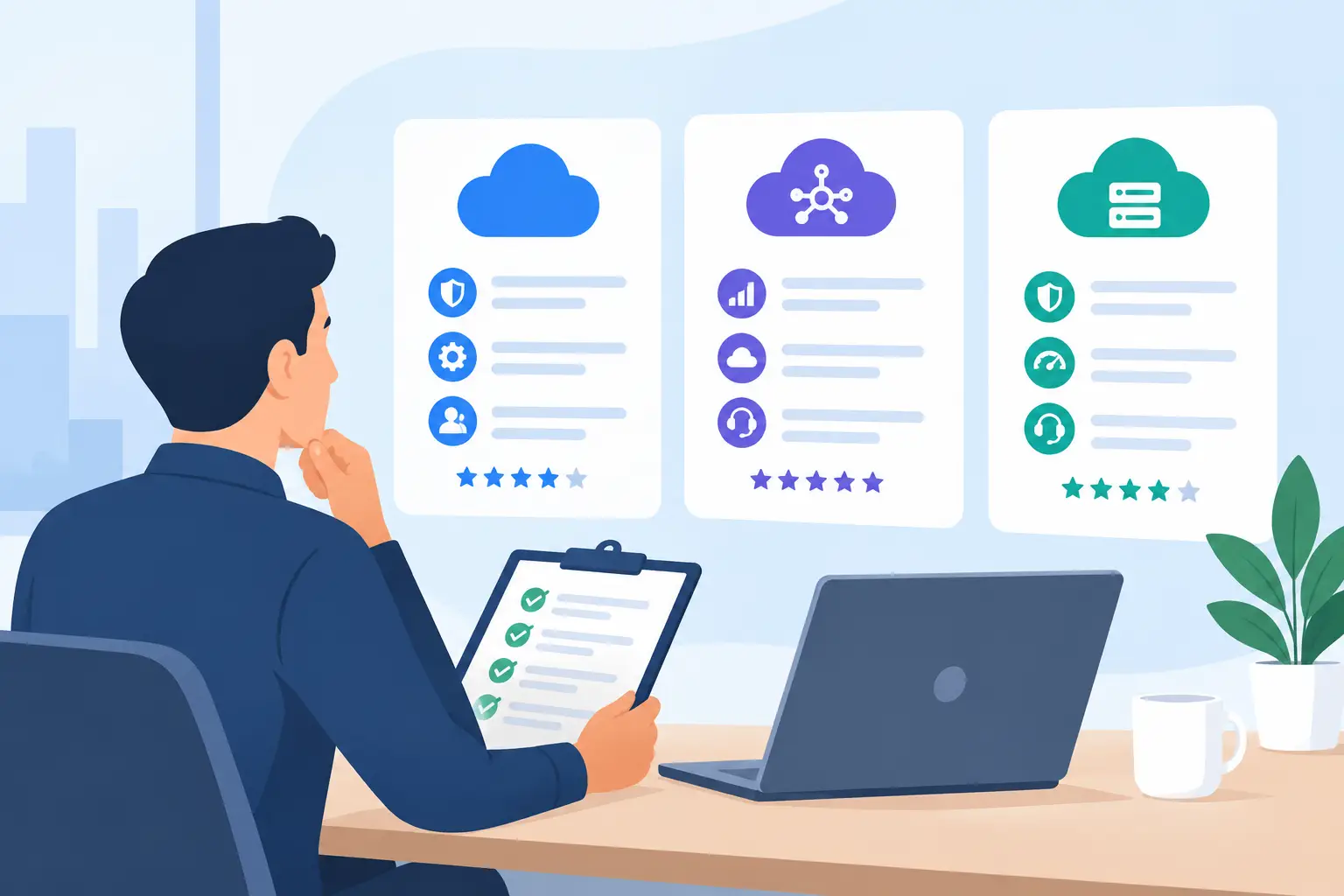
Before selecting a provider, ask how they handle onboarding, access requests, renewals, configuration changes, and support escalation. Clarify what is included in ongoing maintenance and what requires a separate project. The answer should be specific to the software and your operating model, not a generic promise of support.
MBH Web Services approaches third-party SaaS as an operating capability, pairing software access with the practical help businesses need to deploy, maintain, and use it effectively. That model is especially useful when internal teams need dependable guidance without becoming specialists in every platform they purchase.
Keep the Process Proportionate to Your Business
A 20-person company does not need the same governance structure as a 2,000-person enterprise. Overly complicated approvals can slow down legitimate work and encourage employees to purchase tools outside the established process. At the same time, no process at all creates avoidable costs and fragmented support.
Start with a manageable baseline: one inventory, named owners, a defined access process, scheduled renewal reviews, and documented offboarding. As the business grows, add more formal controls for security reviews, budget approvals, vendor risk, and integration oversight.
The practical objective is not to control every click or eliminate every unused license immediately. It is to ensure your software supports the people doing the work, with clear responsibility when help is needed. When licenses, implementation, and ongoing care are managed together, a growing software stack becomes easier to operate rather than another source of uncertainty.