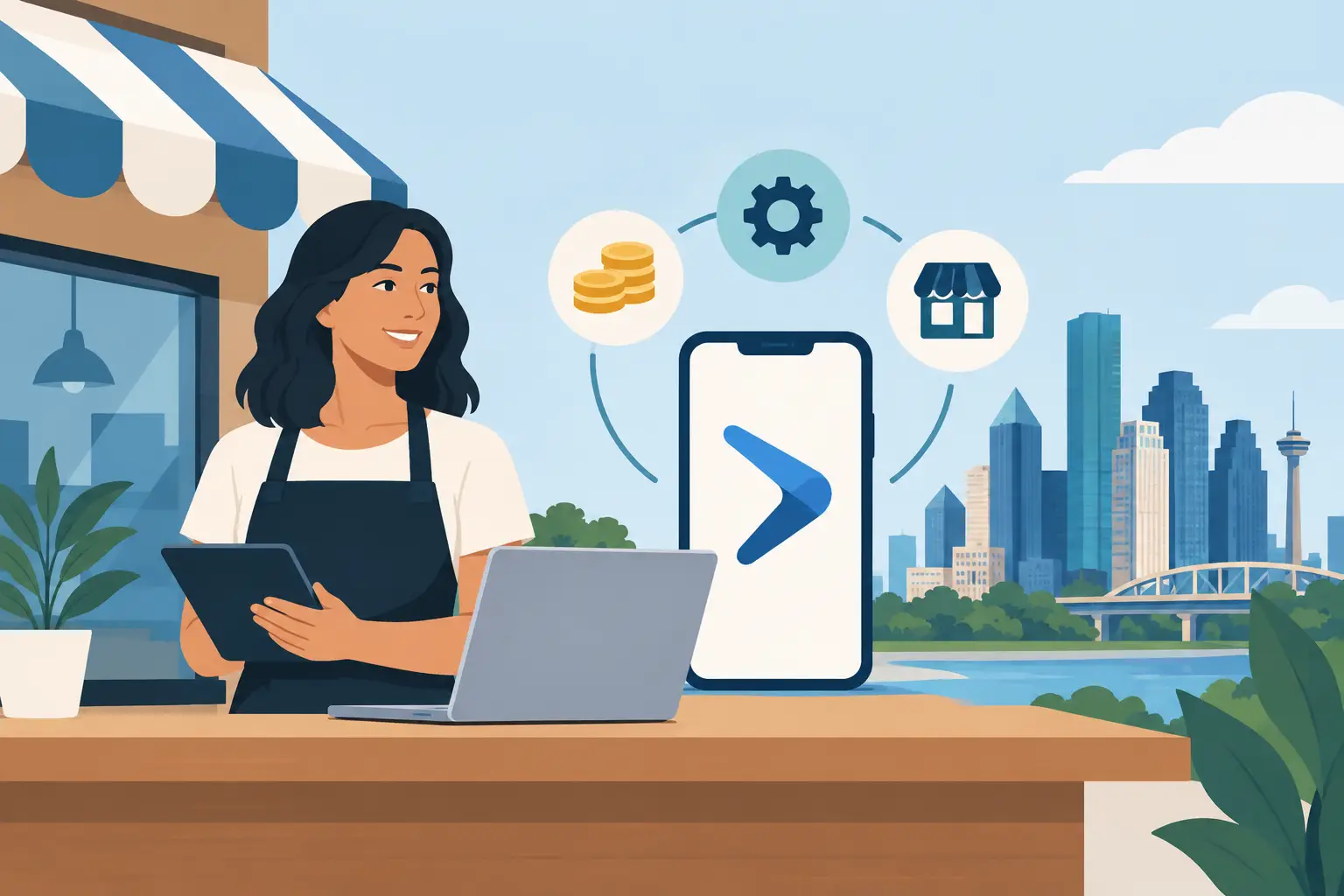
A coffee shop near the Texas Medical Center, a Heights salon, and a neighborhood auto shop may serve very different customers, but they share the same retention challenge: giving people a reason to return before a nearby competitor does. For owners evaluating BoomerangMe for Houston small businesses: digital loyalty program costs and setup options, the decision is less about adding another app and more about choosing a program the team can operate consistently.
Digital loyalty can replace paper punch cards with mobile wallet passes, points, visit-based rewards, referral offers, and targeted promotions. That can be a practical fit for Houston businesses with repeat transactions, especially those competing within busy retail corridors, shopping centers, and service-heavy neighborhoods. The value, however, depends on clear reward design, a workable setup process, and continued attention after launch.
What BoomerangMe Can Support for Houston Small Businesses
BoomerangMe is designed to help businesses create digital loyalty passes that customers can save to a mobile wallet. Rather than requiring customers to carry a physical card or download a dedicated app, the program can use a pass-based approach that is easier to access at checkout.
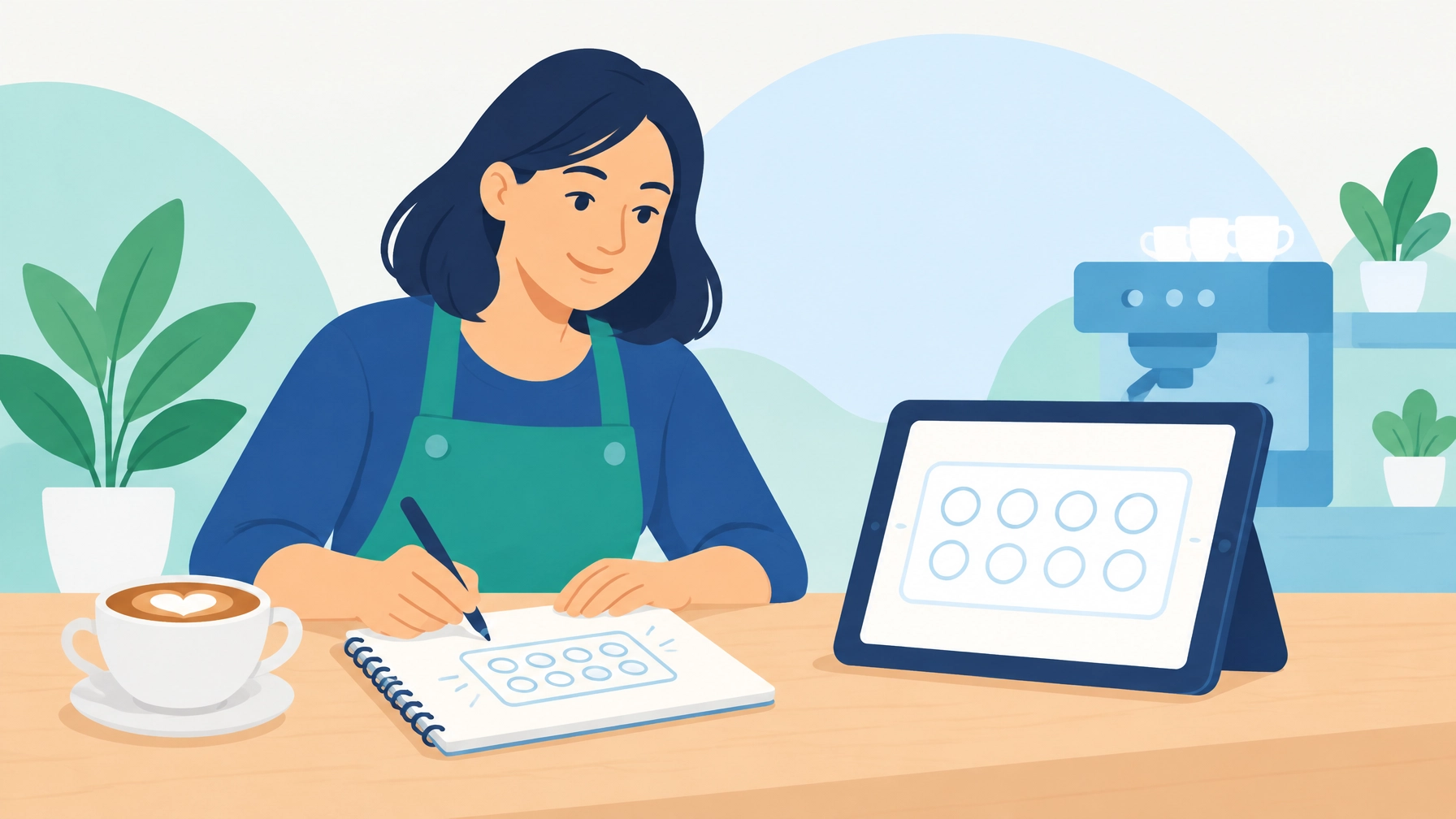
For a small business, the practical uses are straightforward. A restaurant can reward a certain number of visits. A salon can offer a service credit after repeat appointments. A retailer can provide points or a return-customer discount. A fitness studio can recognize attendance milestones. The best model depends on how frequently customers buy, average transaction value, and how much margin is available for rewards.
A loyalty platform is not automatically a retention strategy. If a customer does not understand the offer, if employees forget to mention it, or if redemption is difficult, enrollment alone will not produce meaningful results. The operating process around the software matters as much as the software itself.
Digital Loyalty Program Costs: What to Budget
The monthly platform subscription is only one part of the cost. BoomerangMe plan pricing can vary based on the features, number of locations, pass volume, branding requirements, and administrative needs a business selects. Before committing, request current pricing for the specific use case instead of relying on an old pricing page, a promotional rate, or a plan comparison that does not reflect the intended rollout.
For budgeting purposes, Houston businesses should separate recurring software costs from one-time implementation costs and internal operating costs.
The recurring subscription typically covers access to the platform and the selected set of loyalty, customer engagement, and reporting features. A single-location business with a simple visit-based reward may need less than a multi-location operator that wants segmented campaigns, several pass types, branded designs, and more than one staff administrator.
Implementation costs may include loyalty program planning, pass design, customer-facing messaging, configuration, testing, and staff onboarding. These services are often where businesses either avoid a difficult start or create one. A low subscription price is less valuable if the owner spends several unplanned hours resolving setup issues, recreating designs, or explaining an unclear program to employees.
Internal costs are also real. Someone must approve rewards, monitor redemption patterns, update promotions, answer employee questions, and review whether the program is affecting repeat visits. For a small operation, this may be a manager’s responsibility. For a growing business, it may need a documented process shared by operations and marketing staff.
The reward itself needs a budget
The most overlooked cost is the value of the reward. A free item, discount, bonus service, or account credit should encourage another purchase without giving away more margin than the repeat behavior justifies.
For example, a quick-service restaurant may find that a visit-based offer works well because customers purchase frequently and can understand the goal immediately. A home services company with longer purchase cycles may get more value from referral recognition or a seasonal follow-up offer than from a traditional points program. The right reward should reflect customer behavior, not simply copy a competitor’s offer.
Setup Options: Self-Service or Guided Implementation
A self-service setup can work when a business has a clear loyalty concept, a staff member comfortable with software configuration, and time to test the program before promoting it publicly. This option can reduce upfront service expense, but it places the responsibility for pass design, logic, customer messaging, and launch readiness on the business.
Guided implementation is often a better fit when loyalty will be used across multiple employees, locations, or customer segments. A partner can help translate the business goal into a workable setup, configure the program, test the customer journey, and provide a handoff process for the people who will manage it day to day.
The trade-off is straightforward: self-service can cost less initially, while assisted deployment can reduce avoidable errors and shorten the time between purchase and productive use. The better choice depends on internal capacity, not just budget.
A practical setup sequence
A reliable launch starts with a defined business objective. The goal might be increasing return visits, encouraging higher-value purchases, reactivating inactive customers, or building a referral channel. Trying to achieve all four with one pass usually creates a confusing offer.
Next, set the earning and redemption rules. Keep the explanation short enough that a cashier can say it naturally during a transaction. If the program requires a lengthy explanation, customers are less likely to enroll and employees are less likely to promote it.
Then configure the pass and test it from the customer’s perspective. Test enrollment, mobile wallet delivery, reward progress, redemption, and any notifications. Test with more than one phone type and ask a staff member who did not build the program to complete the process. That is where unclear instructions tend to appear.
Finally, prepare the launch materials and staff workflow. Employees need to know when to mention the program, what to say, how to help a customer enroll, and who handles an exception. A counter sign or QR code can support enrollment, but it does not replace a trained team member making the offer at the right moment.
Choosing Features That Match the Operation
Small businesses can overbuy loyalty features just as easily as they can underinvest in setup. Start with the operational requirement: one location or many, one reward type or several, basic campaigns or audience segmentation, limited reporting or regular performance review.
A single-location bakery may need a branded digital stamp card and an easy enrollment QR code. A multi-location restaurant group may need consistent branding across sites, separate location offers, staff permissions, and reporting that identifies which campaigns are producing return visits. A service business may prioritize customer records and follow-up promotions over rapid points accumulation.
Integration requirements also deserve early attention. If the loyalty program must work alongside a point-of-sale system, CRM, email tool, or appointment platform, confirm the workflow before launch. Sometimes a simple standalone process is sufficient. In other cases, disconnected systems create duplicate data entry or inconsistent customer records that staff will eventually stop maintaining.
Maintenance Is Part of the Program, Not an Extra
Loyalty programs lose credibility when customers see expired offers, confusing rewards, or inconsistent treatment at checkout. Schedule regular reviews of enrollment volume, redemption rate, repeat purchase behavior, reward cost, and staff feedback. These reviews do not need to be complicated, but they need to happen.
A weak result does not always mean the platform is the problem. The reward may be too modest, too generous, poorly timed, or not being promoted. Customers may be enrolling but never receiving a useful reason to return. A monthly review creates an opportunity to adjust the offer before the program becomes background noise.
For businesses that do not want to own every configuration change and support question internally, ongoing administration can be worthwhile. MBH Web Services can help organizations approach third-party SaaS as an operating capability, with onboarding, implementation, and continued maintenance considered from the beginning rather than after problems emerge.
Questions to Ask Before Selecting a Plan
Before choosing a BoomerangMe option, ask what is included in the subscription, which features require a higher plan, how many users or locations are supported, and whether customer support is available when staff need help. Also clarify who owns the account, who can access customer data, how pass designs are updated, and what happens if the business later changes locations, branding, or systems.
The most useful loyalty program is not necessarily the one with the longest feature list. It is the one your employees can explain, your customers can use in seconds, and your managers can maintain without adding another neglected task to the operation. Start with a simple reward tied to a clear customer behavior, build a dependable launch process around it, and give the program enough attention to earn a place in the daily business routine.