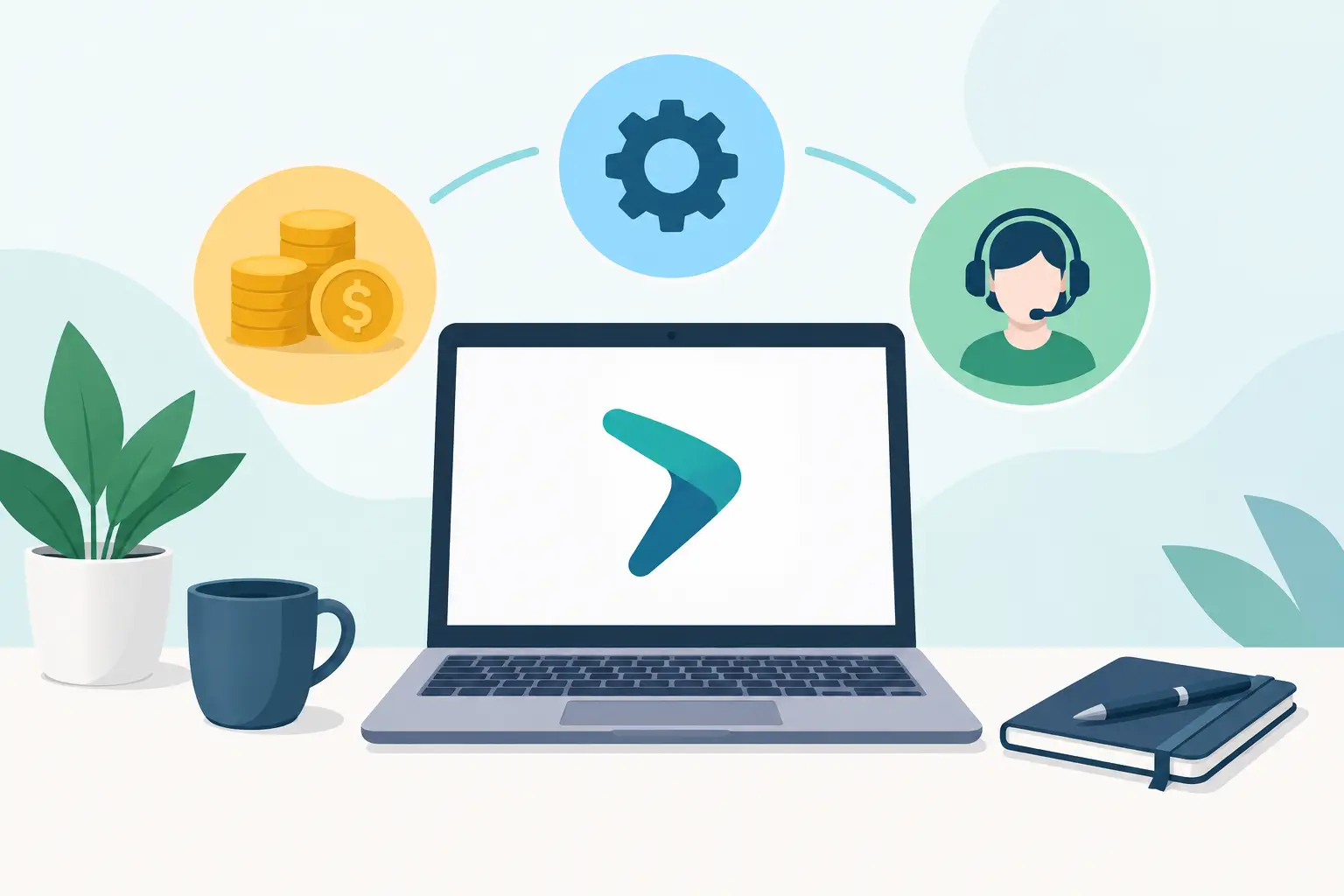
A loyalty program can look inexpensive when the discussion starts with a monthly software plan. The real operating cost becomes clearer when you account for the work required to configure the program, prepare staff, connect business processes, and support it after launch. This Boomerangme pricing explained: software costs, setup, and ongoing support guide is designed for teams that need a realistic budget before committing.
Boomerangme can help businesses create branded digital loyalty experiences without building an app from scratch. That is useful for retailers, restaurants, service businesses, agencies, and organizations that want to encourage repeat visits. But software access is only one part of a successful rollout. The right plan depends on how many locations, brands, users, campaigns, and operational requirements your business has.
BoomerangMe pricing: what the software cost covers
Software pricing is generally the recurring amount paid for access to the Boomerangme platform and the features included in a selected plan. The specific price can vary based on the plan tier, billing term, account structure, and available product features at the time of purchase. Businesses should confirm current vendor pricing and inclusions before treating any published figure as a final budget.
At a basic level, the software subscription may cover the ability to create and manage a loyalty application, apply your branding, build reward mechanics, manage customer-facing content, and administer the program through the platform. Higher-level requirements can affect the appropriate plan. For example, a single local business has different needs from an agency managing loyalty programs for multiple clients or a franchise group coordinating several locations.
The key question is not simply, “What is the monthly price?” It is, “Does this plan support the program we intend to operate six months from now?” Selecting the lowest-cost plan can be sensible for a limited pilot. It can become costly if a growing team later needs additional accounts, more advanced campaign capabilities, white-label controls, or administrative flexibility that was not included initially.
Before approving software costs, document the intended use case. Clarify who will administer the account, how many brands or locations will participate, what rewards customers can earn, and whether the program will be used as a standalone retention tool or as part of broader marketing operations. This creates a better basis for comparing plans and avoids paying for capabilities that will not be used.
Setup costs are about implementation, not just activation
A subscription can be activated quickly. A loyalty program that employees understand and customers trust takes more preparation. Setup costs reflect the labor and expertise needed to move from an account with features to a program ready for public use.
For a straightforward deployment, setup may include account provisioning, brand configuration, logo and color application, reward structure creation, program rules, initial content, and administrator access. A business also needs to decide how customers will enroll, how rewards will be verified, what staff should say at checkout, and who can approve changes once the program is live.
More involved implementations may require additional planning. Multi-location businesses often need consistent rules while preserving location-level reporting or promotions. Agencies may need a repeatable process for creating client accounts, applying client branding, and transferring administrative responsibilities. Organizations with established marketing or customer service workflows may need to define how loyalty data, promotions, and customer questions are handled across teams.
Setup support is valuable because a loyalty program has customer-facing consequences. A reward that is difficult to redeem, a message that conflicts with store policy, or an unclear enrollment process can reduce participation quickly. The technical configuration may be simple, but the business rules need to be accurate.
When evaluating a setup quote, ask for a clear scope of work. It should distinguish between standard onboarding and custom implementation. Standard onboarding may cover a guided launch and initial configuration. Custom work may include campaign planning, multiple branded environments, more extensive content preparation, staff training sessions, or documentation tailored to your team. Neither approach is automatically better. The appropriate level depends on internal capacity and the consequences of getting the launch wrong.
Ongoing support is a separate operating decision
After launch, the platform still needs an owner. Promotions change, employees turn over, customer questions arise, and business priorities shift. Ongoing support costs are the budget for keeping the program useful rather than letting it become another underused software account.
Support can range from vendor-provided technical assistance to hands-on administrative services from an implementation partner. The distinction matters. Technical support typically helps resolve platform issues or explain product functions. Operational support may include updating offers, reviewing configuration, onboarding new administrators, monitoring adoption concerns, helping staff use the system correctly, and coordinating with the software vendor when an issue requires escalation.
For a small business with a stable program and a confident internal administrator, occasional support may be enough. For a growing business, a multi-location operator, or an agency serving multiple clients, a continuing service arrangement can reduce risk. It creates continuity when the person who originally configured the account changes roles or leaves the company.
A useful support agreement should identify response expectations, included maintenance activities, communication channels, and responsibilities on both sides. It should also be clear about work that falls outside the monthly scope. For instance, routine updates to an existing rewards program are different from a full redesign of the customer journey or the launch of a new brand.
How to budget the total cost of ownership
The most reliable budget separates costs into three categories: recurring software access, one-time setup, and ongoing management or support. This is more useful than comparing subscriptions alone because it reflects what the business must actually spend to operate the program successfully.
Start with the subscription term. Determine whether the plan is billed monthly or annually, which features are included, and what events could trigger an upgrade. Next, estimate implementation based on the complexity of your first launch. Include internal time as well as outside services. Even when a provider handles configuration, someone on your team must approve branding, rules, rewards, and customer communications.
Then decide how the program will be maintained. If internal staff will own it, assign a named person and reserve time for updates, reporting, and employee questions. If an outside partner will manage it, compare the service scope against your actual needs rather than looking only at the retainer amount. A lower monthly service fee is not a savings if it excludes the maintenance activities your team expects.
It also helps to plan for change. Loyalty initiatives often evolve after the first few months as businesses learn which rewards drive participation and which messages customers ignore. Set aside a modest budget for program adjustments, seasonal campaigns, additional training, or expansion to new locations. That is not a sign that the original setup failed. It is a normal part of managing a customer retention program.
Questions to ask before you buy
A pricing conversation should result in operational clarity, not just a number. Ask what is included in the software plan and what requires a different tier. Confirm whether the account supports your current number of locations, brands, and administrators. Ask what setup assistance is included, who completes each task, and what information your team needs to provide before launch.
For support, ask who handles platform questions, configuration changes, user access requests, and escalation to the software vendor. Request clarity on turnaround times and on any charges for work outside the standard support scope. If you are working with an implementation partner, ask whether that partner remains accountable after launch or simply hands over the account.
MBH Web Services approaches third-party software as an operating capability, not a one-time purchase. That means helping businesses match software access with the onboarding, implementation, and continuing maintenance required to keep the tool useful in day-to-day operations.
The best Boomerangme budget is the one that matches the program you can realistically run. Buy the software plan that fits your use case, fund the setup needed for a confident launch, and establish ownership for the work that continues after the first customers enroll.