A paper punch card is easy to understand, but it is also easy to lose, forget, or leave in a drawer. Digital loyalty programs address that gap by putting the offer where customers already look: their phones. If you are asking, “how does Boomerangme work? a small-business owner’s walkthrough,” the practical answer is that it helps a business create, distribute, and manage digital loyalty cards and customer engagement campaigns without building a custom mobile app.
For a small business, the software is only useful if staff can run it consistently and customers understand it in seconds. That makes setup, offer design, employee training, and ongoing review just as important as the platform itself.
How Does BoomerangMe Work for a Small Business?
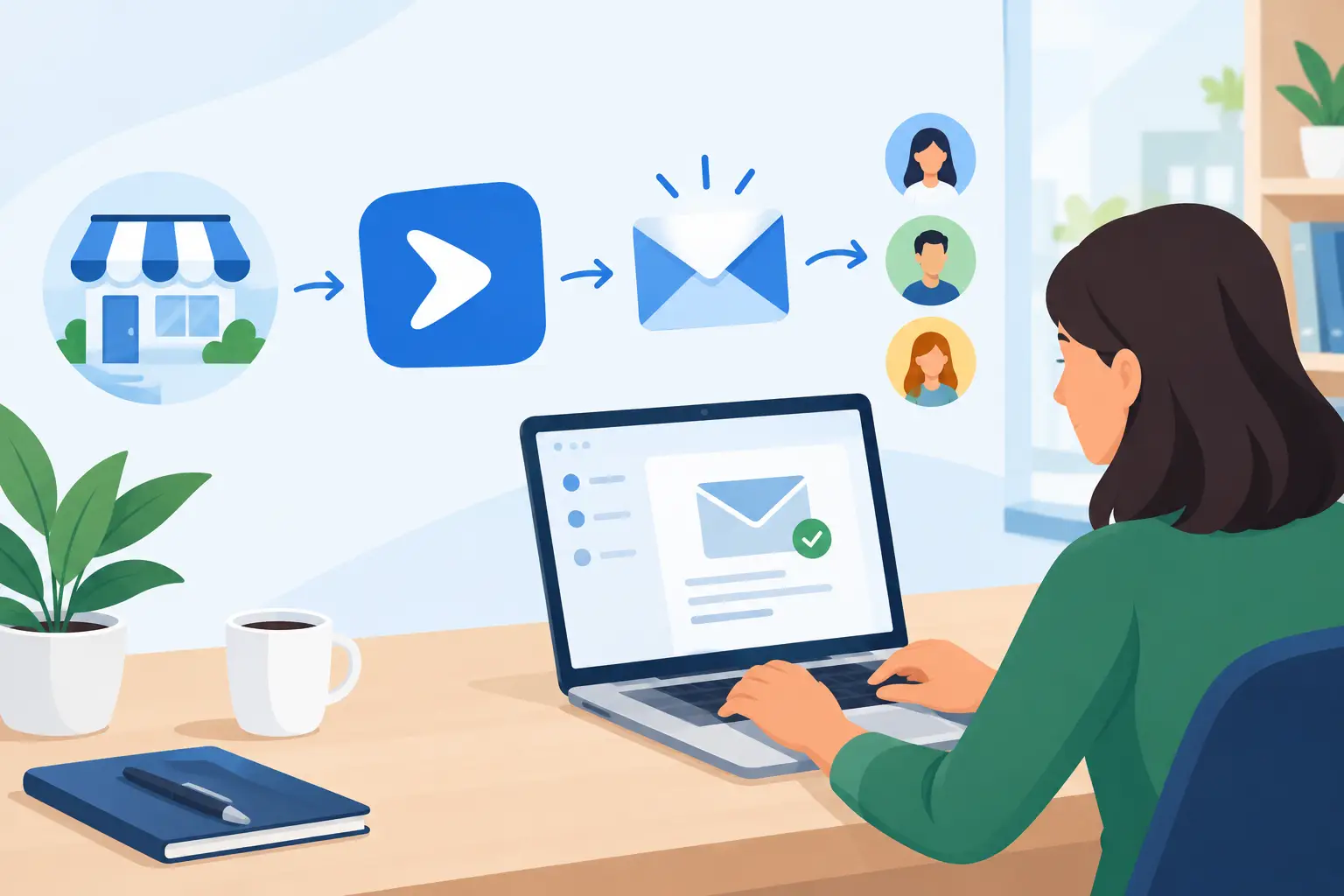
Boomerangme is a digital loyalty and customer engagement platform built around mobile wallet passes. A business can create a branded digital card, such as a stamp card, points card, membership card, coupon, or gift certificate. Customers save that card to the wallet on their phone, where it can be updated over time.
Rather than asking customers to install and regularly open a separate app, the business shares a sign-up method such as a QR code, link, text message, email, or location-based prompt. Once the customer adds the pass, the business can issue rewards, update a balance or stamp count, and send relevant notifications, depending on the campaign and device settings.
The basic operating model has four parts: design the customer offer, publish the pass, enroll customers, and use the platform to maintain the relationship. The software handles the digital delivery and pass management. The business still needs clear rules, trained employees, and a reason for customers to participate.
1. Start with a loyalty goal, not a card design
The first decision is what behavior the program should encourage. A coffee shop may want a visit-based program that rewards a customer after a set number of purchases. A salon may care more about rebooking. A retailer may want to bring back customers who have not visited recently. A service business may use membership cards or time-sensitive offers rather than a traditional point system.
The goal determines the program structure. A simple “buy nine, get one free” offer is easy for customers and employees to explain. A points program can create more flexibility, but it also creates more decisions: how points are earned, whether every item qualifies, when points expire, and what rewards are available.
Small businesses often get better adoption by beginning with one clear offer. A program that requires a customer to read terms, calculate values, and remember multiple reward tiers is less likely to become part of a regular purchasing routine.
2. Build the digital pass and customer journey
Inside the platform, the business configures the pass to reflect its brand and program rules. This commonly includes the business name, logo, colors, reward description, customer identifier, and conditions for earning or redeeming rewards. The pass should answer the customer’s main question immediately: what do I get, and what do I need to do?
The enrollment experience deserves close attention. If customers join by scanning a QR code at checkout, place the code where the decision happens and give staff a short script. For example: “Would you like our digital rewards card? Scan this and your first visit counts today.” A counter sign alone may not be enough. Staff participation is usually what turns enrollment from occasional to routine.
For businesses that collect contact details during enrollment, the process should be transparent. Explain what information is being requested and how it will be used. Use a consent process appropriate for your marketing practices, protect customer data, and avoid collecting details the program does not actually need.
3. Issue the card and record customer activity
After a customer saves the pass, the business can recognize that customer through the digital card. The exact workflow varies by the program design. At the point of sale, an employee might scan the customer’s pass, scan a business code, or use a connected process to add a stamp, points, or a reward.
This is the stage where operational fit matters most. If your checkout process is already busy, adding several steps can frustrate both employees and customers. Before a public launch, run several test transactions with the actual people who will use the program. Test enrollment, earning, redemption, an incorrect scan, and a customer who changes phones or cannot find the pass.
If Boomerangme is being used alongside a point-of-sale system, determine whether the systems are connected or whether staff will update loyalty activity separately. A separate workflow can be workable for a straightforward stamp program, but it may introduce errors at higher transaction volume. Integration needs, staff time, and reporting requirements should be reviewed before committing to a more complex design.
4. Use campaigns to bring customers back
A digital pass can be more useful than a static coupon because it can support ongoing communication. A business may update the pass with a limited-time incentive, a seasonal promotion, a birthday offer, or a reminder tied to customer behavior. Some campaigns can use location-aware features, but these should be applied thoughtfully. Frequent or poorly targeted notifications can lead customers to disable alerts or ignore the program.
The strongest messages usually have a clear business purpose. A restaurant might promote a slower weekday lunch period. A fitness studio might encourage members to return after an absence. A local retailer might announce a short weekend event to customers who have already shown interest.
Promotions should not become the only reason customers return. If every message is a discount, the program can train customers to wait for lower prices. Balance incentives with useful updates, recognition, and rewards that reflect genuine customer value.
What the Owner Needs to Manage After Launch
Boomerangme does not eliminate the need for program ownership. It changes the medium from printed cards to a managed digital process. Someone should be responsible for checking that passes are working, employees understand the rules, rewards are being issued correctly, and promotions support business goals.
Review results on a regular schedule. Useful measures include total enrollments, active pass holders, repeat visits, redemption rate, campaign response, and the cost of rewards compared with the additional revenue or retention the program produces. A large number of sign-ups is encouraging, but it does not necessarily show that customers are returning more often.
Also watch for operational signals. Are employees offering the program? Are customers confused about redemption? Are certain rewards claimed so often that margins are affected? These answers may lead you to adjust the offer, improve training, or simplify the customer experience.
Where small businesses can run into trouble
The main risk is treating the platform as a set-it-and-forget-it marketing purchase. A loyalty program can underperform when the offer is weak, employees do not mention it, redemption rules are inconsistent, or campaigns are sent without a clear audience and purpose.
There are also trade-offs. A richer program can provide more customer data and marketing options, but it may require more administration and privacy oversight. A simple stamp card is easier to operate but may offer less segmentation and personalization. The right choice depends on transaction volume, staff capacity, customer buying patterns, and how much ongoing management the business can realistically support.
For organizations evaluating Boomerangme, the software should be considered alongside the implementation plan. Define the program before building it, test the front-line workflow, document staff procedures, and decide who owns reporting and campaign decisions. If internal capacity is limited, working with an implementation and ongoing support partner can help prevent the common gap between buying software and using it well.
A digital loyalty program works best when it feels effortless to the customer and reliable to the employee. Start with one reward customers can understand at a glance, give staff a process they can follow during a busy shift, and improve the program based on real usage rather than assumptions.