Why local businesses are focusing on customer retention
A customer who has already chosen your business knows what you offer. Giving them a useful reason to come back can be more practical than constantly looking for new customers.
But good intentions are not a retention system. A team may remember to mention a loyalty card during a quiet moment, then forget when the line gets long. A customer may earn a reward but lose track of how close they are to receiving it. And after a busy season, regulars can gradually drift away without anyone noticing.
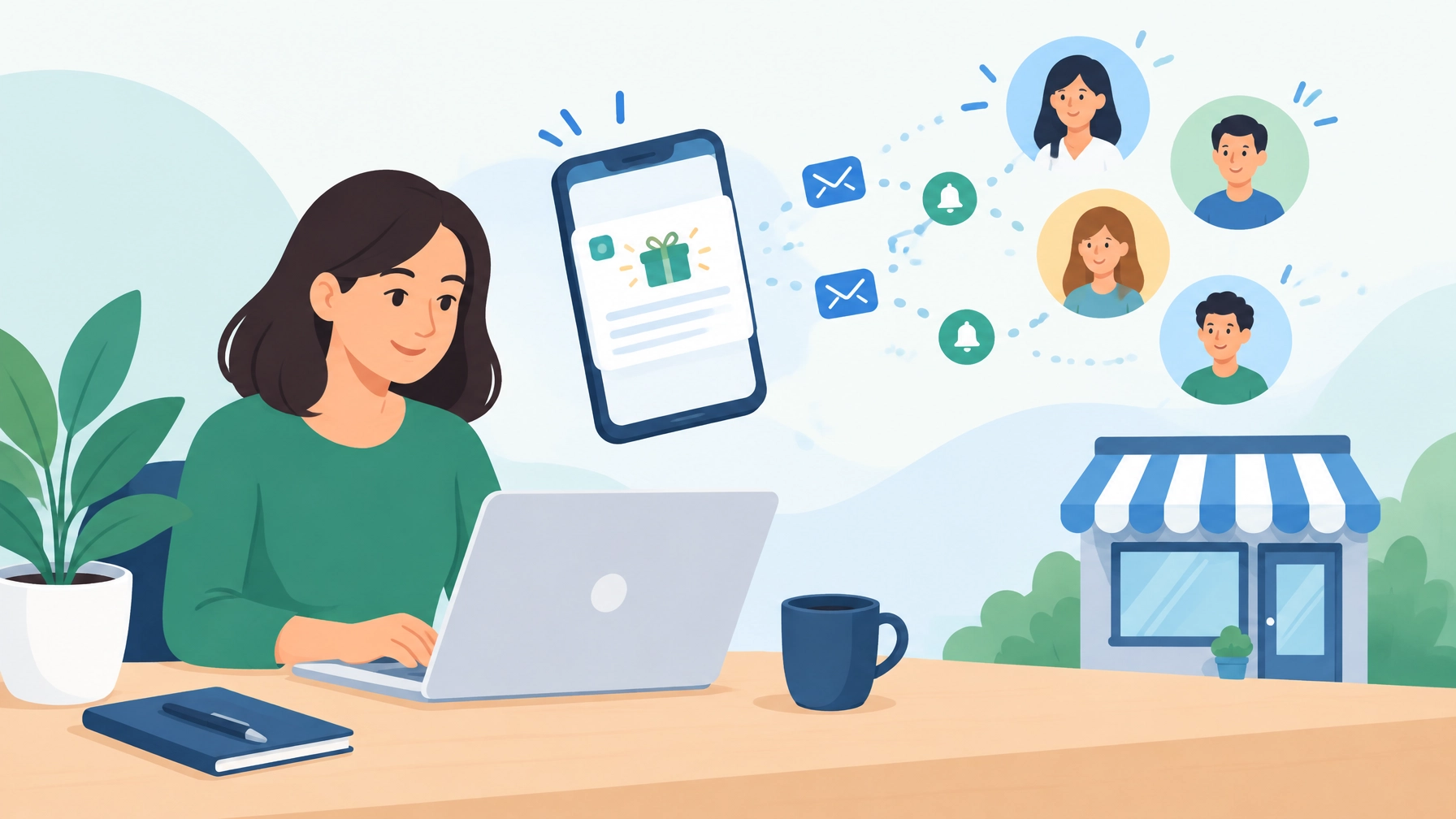
Automated loyalty messaging helps fill those gaps. A digital card can track progress, while scheduled or behavior-based messages remind customers about their status or invite them back with a relevant offer. The aim is not to message people as often as possible. It is to make the next visit easier to remember and worthwhile.
There is a broader business case for loyalty programs, too. The Antavo Global Customer Loyalty Report 2026 reports that 92.7% of loyalty program owners surveyed see positive ROI, averaging 5.3x. Those figures cover loyalty programs broadly; they are not a promise that every business or push campaign will produce the same return.
How automated push notifications support repeat visits
A digital loyalty program gives customers a reason to return and gives your business a way to follow up. With BoomerangMe, a business can offer digital stamp or punch cards and rewards that customers save in Apple Wallet or Google Wallet. Depending on the campaign, it can also use push notifications, SMS, and email.
The process can work like this:
- A customer joins. They add a digital card to their phone after a purchase or signup.
- Their progress is recorded. Each qualifying transaction moves them closer to a reward.
- A message responds to their activity. For example, a reminder can highlight progress or invite an inactive customer to return.
- The business reviews the outcome. Visits, redemptions, and campaign results help show whether the message is doing useful work.
When connected with POS and CRM systems, some of these steps can happen automatically. Instead of exporting lists and manually sending one-off reminders, the business can use customer activity and segments to make follow-up more timely.
That is a practical example of workflow automation for small business: connect routine work across tools so it happens consistently, while keeping the customer experience personal.
What does “up to 2x retention” mean?
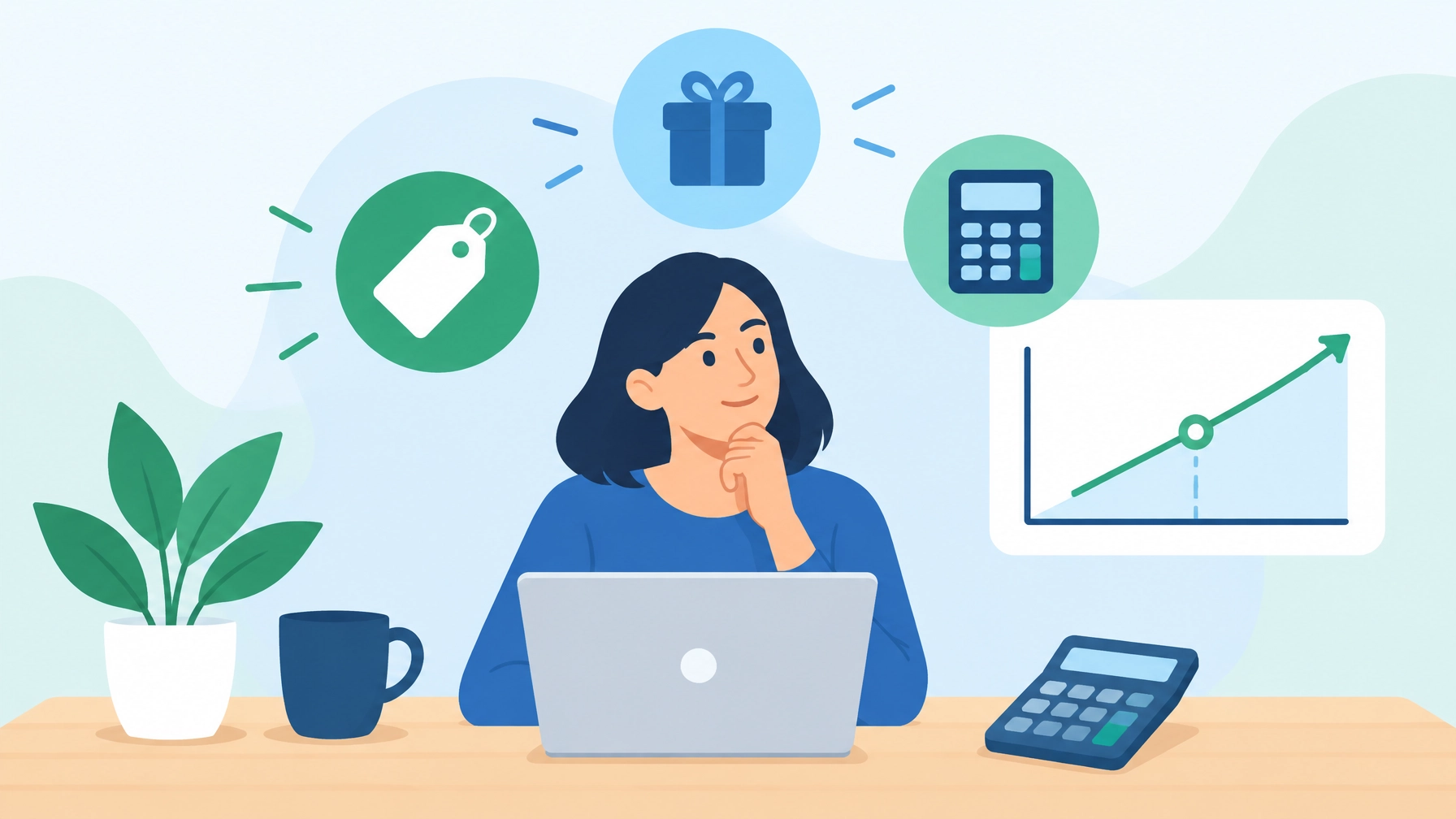
BoomerangMe reports that businesses using its loyalty platform have seen up to 2x higher retention rates. It also reports average check size increases of up to 30%. These are reported results, not guaranteed outcomes.
That distinction matters. Results depend on factors such as how often customers naturally visit, whether the reward feels worthwhile, how the program is promoted, and how well the tools fit the way the business already operates. The platform’s public materials do not establish that every business can expect to double its retention.
The useful takeaway is not to treat “2x” as a forecast. Treat it as a reason to test a measurable program. Compare customer return rates before and after launch, or compare an actively messaged group with a similar group that does not receive the campaign. Track whether customers return, how quickly they return, and whether they redeem rewards.
A case study shared by BoomerangMe describes DimCoffee achieving 3.6x revenue growth and $1.8 million in new sales across 42 locations in eight months. That is a specific business result, not a typical outcome to assume for a local shop. Still, it illustrates why multi-location businesses may value a program that can coordinate loyalty activity and measure results across locations.
Make the reward easy to reach
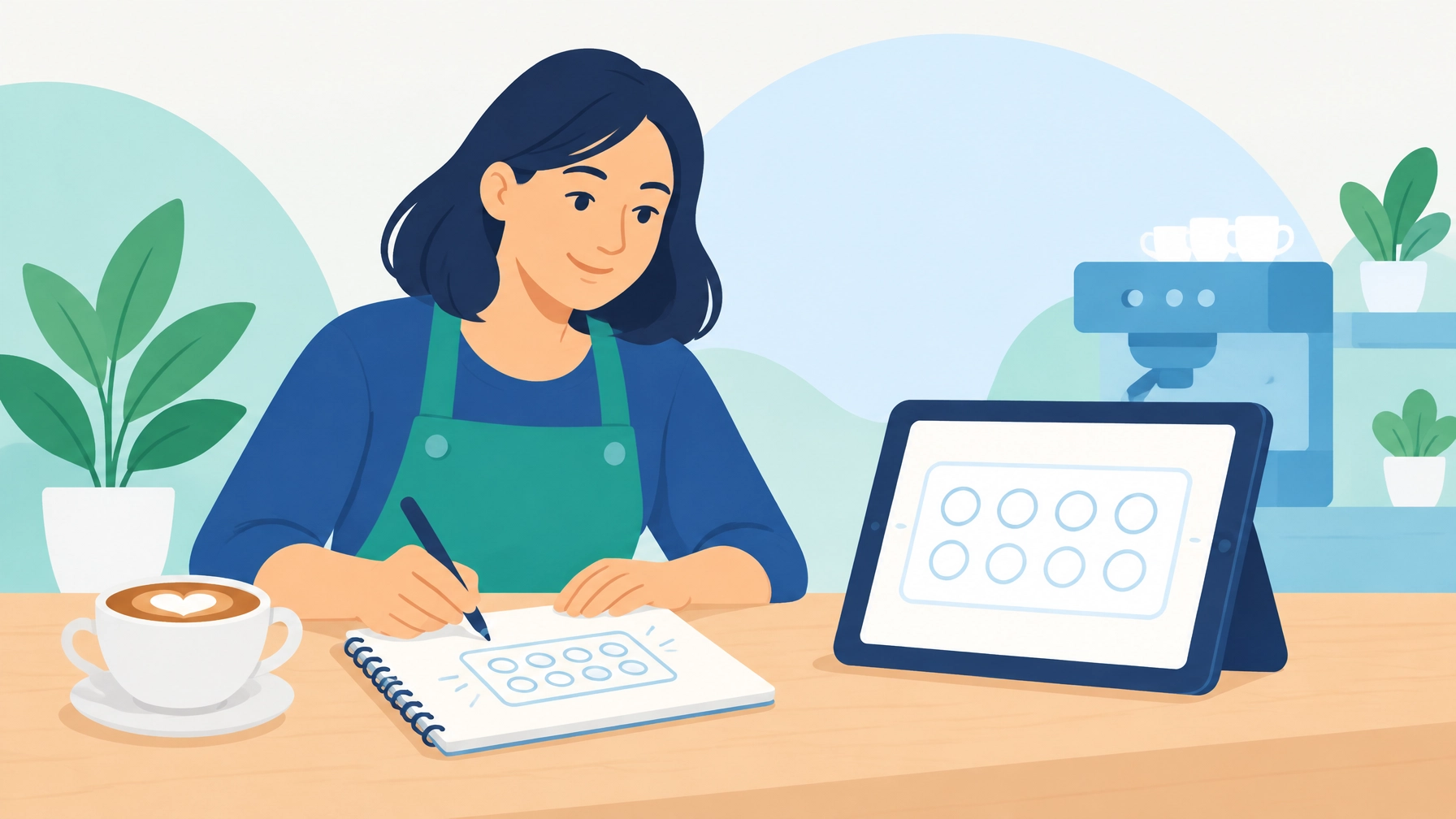
A loyalty card only encourages a return if customers believe the reward is attainable. Make the rules clear, and choose a target that fits how often your customers usually visit.
FaveCard’s 2026 analysis of 1,013 small businesses found higher reward completion for shorter reward cycles. Cards with a reward reachable in two to four weeks had an approximately 11.4% completion rate; programs with a four-to-eight-week cycle had about 9.3%. For a 16-to-32-week cycle, the rate was about 1.2%.
These figures are specific to the study and should not be treated as a universal forecast. They do offer a useful planning prompt: if customers have to wait too long, they may lose interest before reaching the reward.
Consider your normal purchase rhythm. A coffee shop may choose a different target than a salon or a professional service business. The reward should fit the customer’s routine, make sense for your margins, and be simple enough to explain at checkout. A smaller, attainable reward may give customers a clearer reason to continue than a large reward that feels far away.
Build messages around customer moments
Automated messages work best when they have a clear purpose. Sending more alerts is not the same as improving customer retention.
Start with a small number of useful moments:
- After signup: Welcome the customer and explain how their card works.
- After a purchase: Confirm progress or remind them how close they are to the reward.
- Near a typical return window: Invite a customer back if they have not visited within their usual cycle.
- After a reward is earned: Make redemption easy to understand.
- After a visit: Ask for feedback when it is useful to your business.
Use segmentation to keep messages relevant. For example, regular customers may need a different message from customers who have not visited for a while. A CRM connection can help sort audiences by activity, while geo-fenced messaging can support location-aware offers when appropriate.
Keep the message short and specific. Explain the benefit, tell the customer what to do next, and avoid sending the same offer repeatedly. Review permissions and the customer’s communication preferences, too. A helpful reminder should feel like good service, not an interruption.
Measure more than message opens
A notification is only a step in the customer journey. The business outcome matters more than how many people saw an alert.
Before launch, decide what success means for your business. You might measure:
- Repeat purchase or visit rate
- Time between visits
- Reward completion and redemption
- Average check size
- Revenue associated with campaigns
- Customer opt-outs or unsubscribes
Where possible, use a holdout group: customers with similar activity who do not receive a particular campaign. Comparing the two groups can help you understand whether the campaign is contributing to additional visits, rather than simply reaching people who were already likely to return.
Automated ROI reports can reduce the need to piece results together manually. Still, the numbers are only helpful when the underlying program is clear. Make sure your team knows how customers earn rewards, how transactions are recorded, and what counts as a successful return.
Make the technology fit your daily operations
A loyalty platform should make customer follow-up easier, not create another disconnected task for your staff. Before choosing tools, map the customer journey from signup through purchase, reward, and follow-up.
Then check how the loyalty platform will work with your POS and CRM. Some businesses may start with a standalone setup; others may need integrations to record transactions and coordinate customer segments. The right configuration depends on your current systems, available integration options, and how your team handles checkout.
This is where careful implementation pays off. A well-configured system can reduce duplicate data entry, support consistent rewards, and make campaign reporting easier to use. Staff training is just as important. Your team needs a simple explanation they can give customers and a straightforward process for handling questions or redemptions.
How MBH Web Services can help you launch
MBH Web Services helps small and medium-sized businesses choose and implement software around the way they actually work. For local businesses exploring BoomerangMe, we can support software selection, custom configuration, POS and CRM integrations, staff training, and the workflow automation for small business that connects customer activity with follow-up.
A typical deployment takes around five days, depending on the scope and integration needs. We’ll help define the customer journey, configure the rewards and messages, check the data flow, and prepare your staff to use the system confidently.
If customer follow-up is slipping through the cracks, we can help you review your current tools and decide whether an automated loyalty campaign is a practical next step. Start with a low-pressure conversation about your workflow, your goals, and what a useful customer retention program would look like for your business.